
Nancy Tzioutziou on what urban mobility data tells us about cities under stress
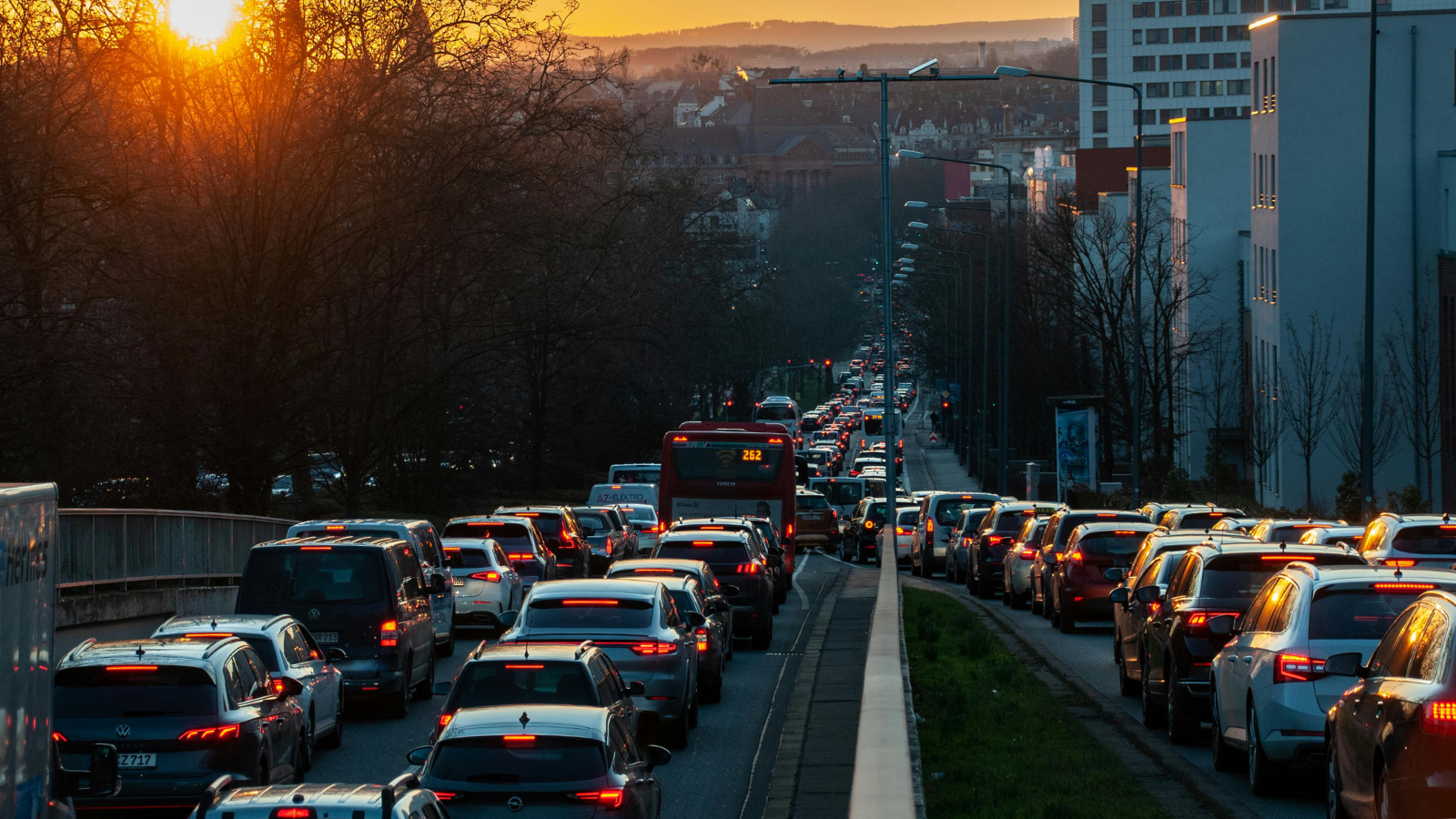
Global disruptions, from geopolitical tensions to energy shocks, show up in how people move through cities every day. In this interview, Nancy Tzioutziou, a researcher at the Aristotle University of Thessaloniki (AUTH), shares what the data tell us about cities under stress and what a truly antifragile response looks like in practice.
From your area of expertise, how do global disruptions, like fuel price spikes or supply chain pressures, translate into changes in urban mobility?
From the perspective of urban resilience, global disruptions drive changes in everyday operations alongside long-term adaptations in cities. In mobility systems, these disruptions cause changes in how people travel, how far they go, and how goods are delivered in cities. These changes depend on people's economic situation, social profile, and whether other transport options are available. These changes may either reinforce existing vulnerabilities or pave the way for adaptive strategies that foster more sustainable and resilient cities, as shown in the following examples.
Impact of fuel price spikes
Fuel price changes directly affect how people travel, but not everyone is impacted the same way:
- Reduced travel range: Big jumps in gas prices make people travel much shorter distances. During price surges tied to the Russia–Ukraine war, people in Warsaw, Paris, and Berlin travelled over 50% less (Shu et al., 2024).
- Congestion and demand shifts: High fuel prices reduce road traffic delays because fewer people use private cars, but subway and train patterns don't change much right away, as schedules stay the same no matter fuel prices (Fang et al., 2022).
- Socioeconomic vulnerability: Poorer neighbourhoods far from subways suffer more from fuel price hikes. For instance, in Rio de Janeiro, over 50% of districts have low resilience to these shocks (Aprigliano et al., 2019).
- Technological transition: High fuel prices encourage governments and businesses to invest in cleaner vehicles and systems. But cheap fuel slows down the switch to sustainable options (ITF, 2021).
Supply chain pressures
Disruptions in global supply chains, such as those seen during the COVID-19 pandemic, have changed urban delivery by speeding up e-commerce and online shopping:
- Last-mile delivery inefficiency: The final step of delivery to homes is the least efficient and most polluting part, taking up 13% to 75% of total shipping costs (Jagoda et al., 2023). This causes more city traffic jams as delivery vehicles go deeper into neighbourhoods (Jagoda et al., 2023).
- Modal shifts in delivery: Quick "instant deliveries" for food and groceries have added more variety to city traffic, with growing use of bikes and mopeds—though bike shares vary by local rules and demand (ITF, 2023).
- Substitution effects: City travel patterns shift as people choose deliveries over personal shopping trips. While online orders boost delivery traffic, they may cut back on car or bike trips to stores (ITF, 2023).
What are the early warning signs that a city's mobility system is under stress?
Early warning signs of stress in a city's transport system show up in key measurements, everyday patterns, and chain reactions where problems spread. These signs range from daily hassles to major disruptions that need action. Key indicators of transport stress include traffic slowdowns measured hourly by road sensors, the seriousness of recent events, average trips per person, and shifts in travel patterns. Simple metrics like system stress, mobility throughput, and distribution of mobility flows spot building congestion and problems early, before they worsen.
City transport faces a spectrum of disruptions ranging from daily hassles like traffic jams and parking shortages, to mid-level issues such as local floods and strikes on buses/metros, to major crises from widespread blackouts or wars damaging infrastructure. These disruptions often appear in everyday mobility patterns as longer travel times, less reliable transport services, and higher running costs, pointing to bigger weaknesses in the system. The cascading impacts of these disruptions are soon evident on the environmental conditions (increased carbon emissions and noise pollution) and the economic landscape (higher operational costs for logistics and reduced economic productivity due to congestion). Additionally, there are significant impacts on the users’ satisfaction and social equity of urban populations. Some of these impacts can be obvious even within a few minutes of a disruptive event, revealing the need to respond timely and effectively to the current challenge.
AntifragiCity has developed a framework of KPIs to monitor urban mobility under disruption. Which indicators are you watching most closely, and why?
The AntifragiCity KPIs’ framework focuses on a few key measures of transport types, travel times, and system features to track city travel during disruptions. We watch commuter flow centrality and mobility throughput most closely—these show how active and busy transport systems are, using data from traffic sensors and real-time social media. Other key measures include average public transport speed, daily public transport trips, and total vehicle-kilometres travelled, which reveal how efficiently the system runs and how much strain infrastructure faces. Moreover, the AntifragiCity framework highlights environmental effects, focusing on noise and air pollution to track travel's impact on the environment. It also covers transport safety and access, costs, and satisfaction, using simple measures like crash rates, ease of getting around, and what people think to keep things fair and safe during tough times.
These KPIs are critical for the assessment of the condition of urban mobility systems and are also prioritised by local transport experts based on their applicability and data availability. These KPIs map directly to global and regional goals such as the Sustainable Development Goals and the European Green Deal, while also reflecting quantifiable and versatile metrics that enable consistent assessment of both physical urban networks and the people’s experience within the mobility system.
What does the data tell us about how citizens are adapting (for example, shifts toward public transport or active mobility when private vehicle costs rise)?
Data on public transport demand, measured through passenger-kilometres and ridership numbers, reveals shifts in community reliance on shared transit services when private vehicle costs rise. Similarly, tracking non-motorised transport demand and modal split indicators shows how citizens adapt by increasing walking and cycling for sustainability and economic prosperity in response to pricing policies that raise direct and indirect costs of car use. These metrics, combined with satisfaction indicators for bicycle accessibility, provide evidence of behavioural adaptation toward more sustainable mobility options when financial pressures make private vehicle ownership less attractive. This adaptive behaviour underscores the interplay between economic incentives and the adoption of environmentally sound transportation modalities, contributing to a more resilient urban mobility ecosystem.
What does an antifragile response look like in practice?
An antifragile response is characterised by a system that gains strength from volatility, learns from disruptions, and improves its performance in the face of future challenges. Such a response to fuel price spikes would mean quickly changing bus and train schedules and routes to match where people need them most. It would also encourage mixing transport options—like buses, bikes, and walking—using apps that show real-time information on diverse transport options. This strategy would make citizens more satisfied with their commutes, it would get services to more neighbourhoods for equitable coverage, and it would reduce environmental pollution by minimising solo car trips. Therefore, the entire mobility system would rearrange its functional architecture not only to respond to this disruption but to enhance its overall performance and adaptive capacity for future uncertainties.
Understanding how global disruptions ripple through urban mobility systems is vital to what we are building at AntifragiCity. By combining real-world data, predictive tools, and a robust KPI framework, we are helping cities move from reactive to genuinely adaptive.
References
Aprigliano, V., Rothfuß, R., Hochschild, V., Silva, M. A. V. da, Silva, W. R. da, Steiniger, S., & Santos, T. F. dos. (2019). Urban resilience in the face of fossil fuel dependency: the case of Rio de Janeiro’s urban mobility. Urbe Revista Brasileira de Gestão Urbana, 11. https://doi.org/10.1590/2175-3369.011.e20180160
Fang, Z., Wang, G., Yang, Y., Zhang, F., Wang, Y., & Zhang, D. (2022). A long-term travel delay measurement study based on multi-modal human mobility data. Scientific Reports, 12(1). https://doi.org/10.1038/s41598-022-19394-z
ITF. (2021). ITF Transport Outlook 2021. https://doi.org/10.1787/16826A30-EN
ITF. (2023). ITF Transport Outlook 2023. https://doi.org/10.1787/B6CC9AD5-EN
Jagoda, A., Kołakowski, T., Marcinkowski, J., Cheba, K., & Hajdas, M. (2023). E-customer preferences on sustainable last mile deliveries in the e-commerce market: A cross-generational perspective. Equilibrium Quarterly Journal of Economics and Economic Policy, 18(3), 853. https://doi.org/10.24136/eq.2023.027
Shu, Y., Chen, X., & Di, X. (2024). Mobility Pattern Analysis during the Russia–Ukraine War Using Twitter Location Data. Information, 15(2), 76. https://doi.org/10.3390/info15020076
For more updates and stories on AntifragiCity, subscribe to our newsletter and follow us on LinkedIn, Bluesky, X, Facebook, and YouTube.

Designing SUMA: AntifragiCity partners come together to advance the Simulator for Urban Mobility Antifragility
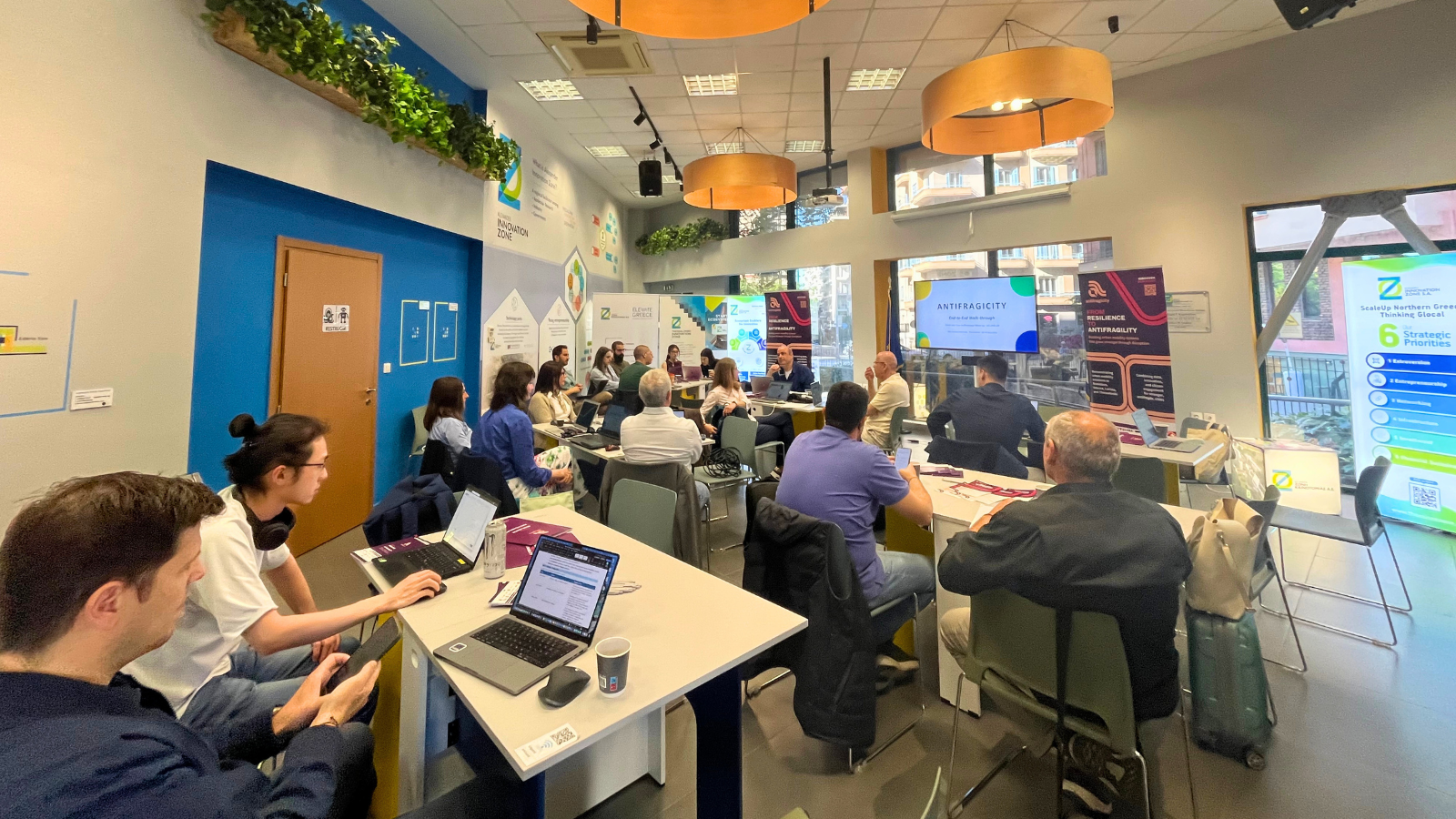
How can cities prepare for disruption before it happens? How can they learn from it afterwards? These were the questions guiding the AntifragiCity Mini General Assembly, held on 18-19 May 2026 in Thessaloniki, Greece, and online.
Rather than organising a traditional project meeting, we spent two days working together in a charrette, an intensive, hands-on co-design workshop focused on one of our most important developments so far: the architecture of SUMA, the Simulator for Urban Mobility Antifragility, which will help cities monitor disruptions and stressors, simulate crisis scenarios, support informed decision-making, and strengthen urban mobility systems over time.
The SUMA platform: Simulator for Urban Mobility Antifragility
Each of our demonstration cities experiences disruption differently. Some face floods or infrastructure failures. Others must prepare for delays in emergency response or, as in Odesa, the realities of active conflict. While these challenges vary, they all require mobility systems that can adapt quickly and continue supporting people's everyday lives.
That is why we are developing SUMA as a flexible decision-support platform that can work across different urban contexts, helping cities prepare for uncertainty, respond more effectively when disruptions occur, and continuously improve their mobility systems.
A collaborative design process
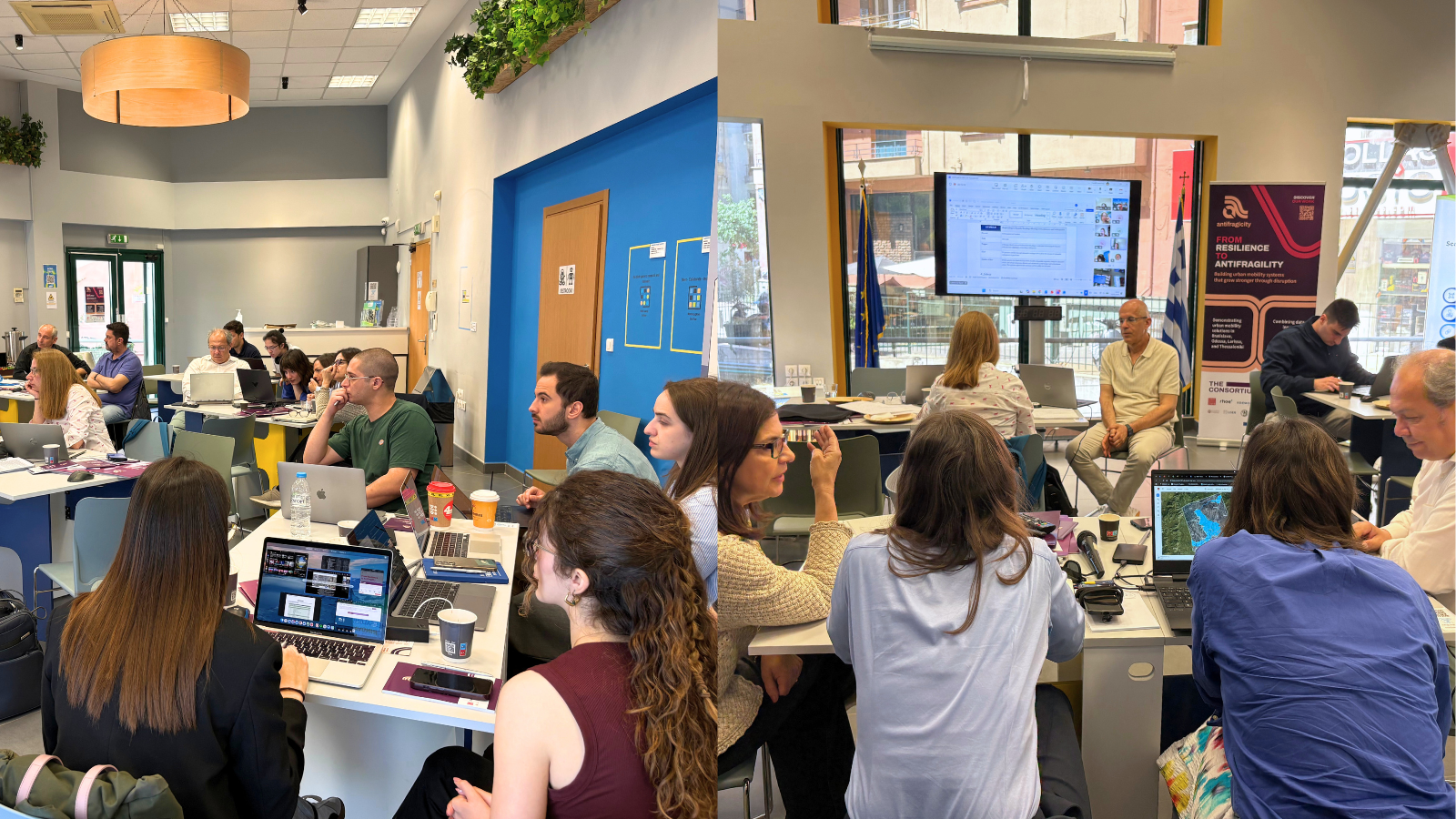
The charrette brought together our team as well as researchers and city representatives to translate the needs identified across our four pilot cities into an adaptable and scalable software architecture.
Building on our technical work and insights from our Citizens' Forums, we explored how local priorities and real-world challenges could be incorporated into SUMA's design. This collaborative approach helped us ensure that we are developing SUMA not only as a technical solution, but also as a tool shaped by the experiences of cities and the people who live in them.
Supporting cities across Europe
Once developed, SUMA will support our demonstration cities in Larissa, Thessaloniki, Bratislava, and Odesa by helping them better understand disruptions, evaluate response options, and strengthen urban mobility.
By combining technical modelling with local knowledge and citizens' perspectives, we aim to help cities move beyond simply recovering from disruption towards becoming more adaptive and antifragile.
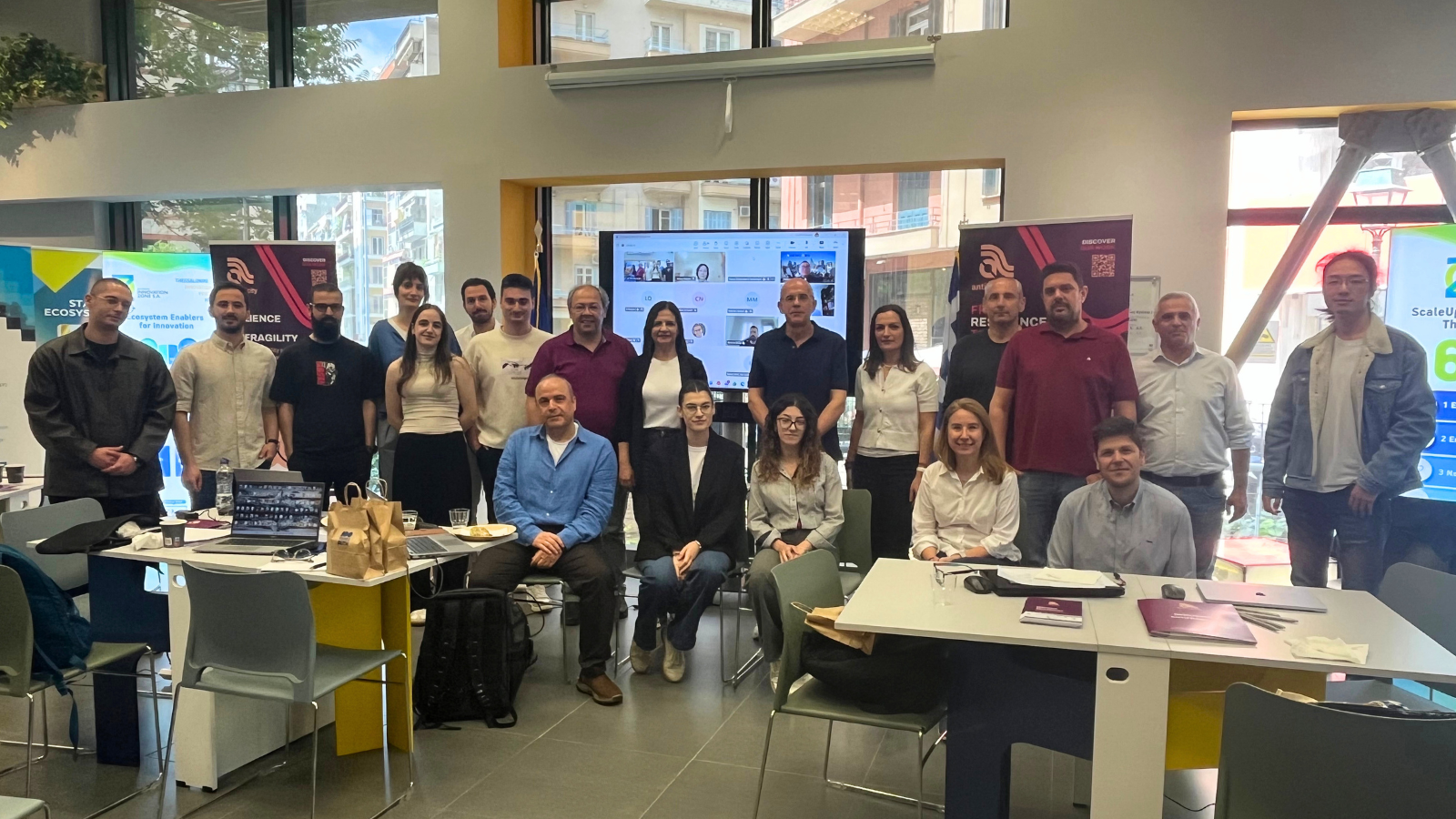
A special thank you to our partners at Aristotle University of Thessaloniki (AUTH) for hosting this meeting, and to all participants for two productive days of collaboration.
For more updates and stories on AntifragiCity, subscribe to our newsletter and follow us on LinkedIn, Bluesky, X, and YouTube.
From daily commutes to crisis response: Bratislava citizens set the city’s mobility agenda
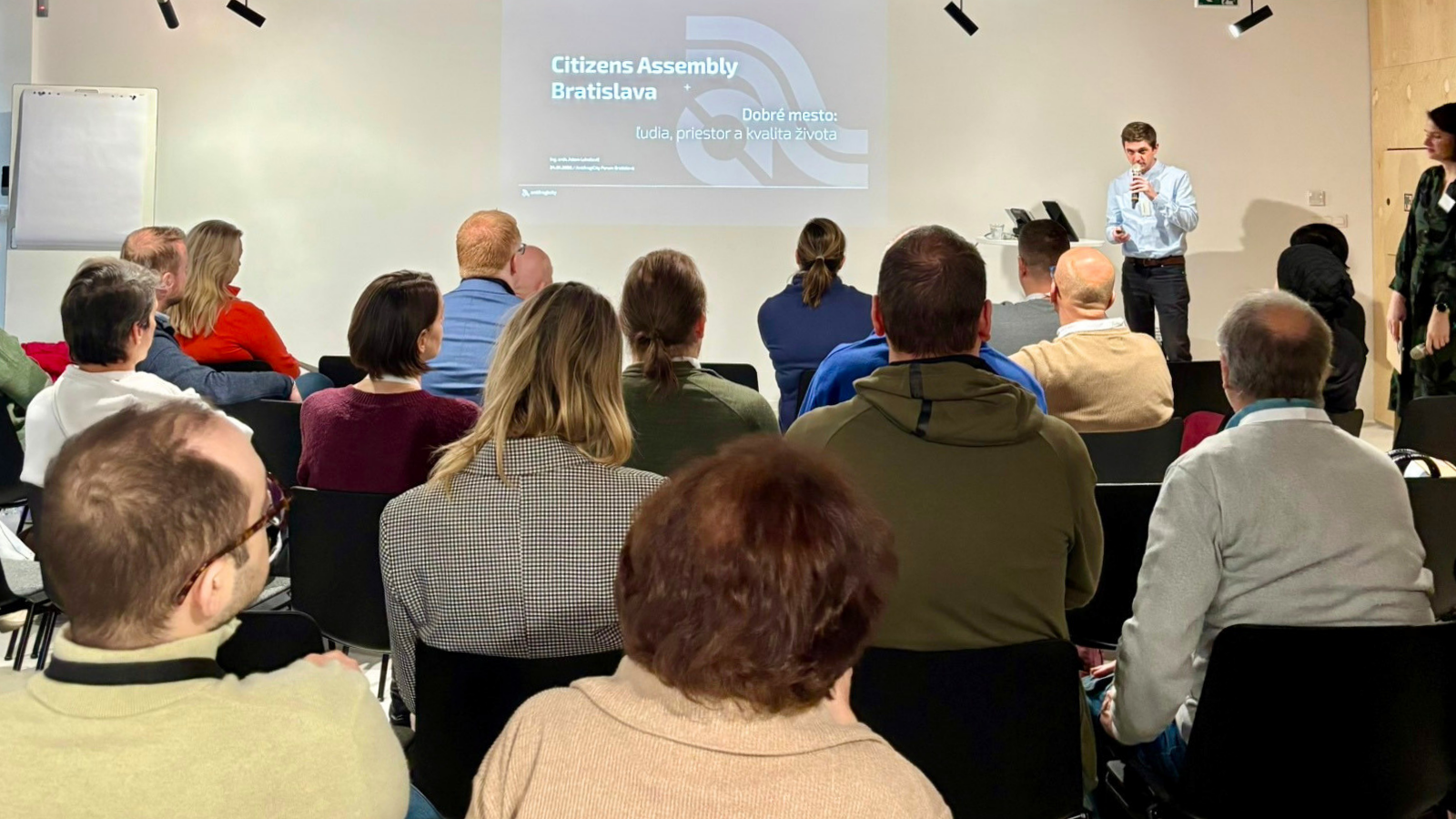
What does Bratislava need to move better, in everyday life and in a crisis? In January 2026, around 40 residents came together to answer a question many European cities face: how should urban mobility work not only on ordinary days, but when disruption hits?
Held over two Saturdays (24 and 31 January), the Bratislava AntifragiCity Forum (BAF) brought together a diverse group of residents to discuss urban mobility challenges, priorities, and trade-offs. The forum took place at TUBA, Bratislava's centre for architecture and urban planning, a fitting setting for conversations about the future of the city.
More than a public consultation: a process designed for thoughtful decision-making
The BAF was not a simple consultation. It was a structured, two-day deliberative process inspired by citizens' assembly models. Participants did not just share opinions. They engaged with experts, debated with fellow residents, and worked together to develop collective recommendations.
The forum was organised around four themes: livable cities: people, space, and quality of life; crisis-responsive mobility; resilient and diverse mobility options; and the sustainable mobility transition. These themes helped participants explore mobility not as an end in itself, but as a way to improve safety, accessibility, equity, and sustainability in Bratislava.
A total of 229 people registered interest in taking part, and 40 participants were selected to reflect the demographic, socio-economic, and attitudinal diversity of the city, ensuring a broad range of lived experiences and perspectives.
What citizens said
The discussions were rich, practical, thoughtful, and revealing.
"A quality city means living well overall; transport is not the goal but the means; the point is to make it a good place to live, not just to have the fastest transport."
Other participants reflected on what the forum itself offered: "I gained perspectives from people who view transport differently." Another participant said: "The forum revealed many interesting inputs, which showed me other perspectives on transport and movement in the city."
That broadening of perspective was central to the experience. Many participants said the forum helped them better understand the mobility needs of pedestrians, cyclists, older residents, and people with disabilities. This wider perspective shaped the recommendations they created together.
The main takeaways
Participants developed 12 recommendations and then voted to identify shared priorities. The results were clear: Bratislava's residents want structural, long-term solutions, not quick fixes.
The top priorities were:
- Expanding the tram network. Participants saw trams as the backbone of urban mobility: reliable, high-capacity, and effective during disruptions. They called for extended lines, better timetables, and fully barrier-free stops.
- Creating an independent expert platform. Residents expressed a strong desire to separate long-term mobility planning from short-term political cycles. An apolitical, expert-led coordination body — bringing together city, regional, and national authorities — was seen as essential for coherent, trustworthy decision-making.
- Building safe and connected cycling infrastructure. A fully connected cycling network, with clear signage, quality surfaces, and priority at intersections, was seen as both an everyday necessity and useful when other modes fail.
- Improving safety across the whole transport system. From better lighting at stops and underpasses, to physical separation of transport modes and monitored CCTV, participants treated safety as a baseline condition, not an optional improvement.
- Delivering transparent, real-time information. Citizens want a single, centralised source of transport information, accessible across multiple channels and in multiple languages, with live updates during disruptions.
Participants were also more open to regulation and integrated measures after the forum than before, a sign that informed deliberation genuinely shifts perspectives. As one participant put it, the forum showed that "discussion can be conducted 98% calmly; the remaining 2% are not disruptive and can also be constructive."
What this means for AntifragiCity
The Bratislava forum confirms something key to AntifragiCity: citizens are not resistant to change. They are resistant to change that feels arbitrary, unfair, or disconnected from their daily lives. When mobility interventions are well-communicated, embedded in coherent plans, and clearly designed to improve everyone's safety and access, people support them.
These findings will feed into AntifragiCity's research, informing the design of antifragile urban mobility strategies and contributing to wider European-level policy discussions.
About AntifragiCity's Citizens' Forums
The AntifragiCity Citizens' Forums took place in three of the project's demonstration cities: Bratislava, Larissa, and Thessaloniki. They form part of a broader effort to ensure that the project's research is grounded in real citizens' voices.
Each forum brought together a diverse group of residents for structured and informed deliberation. Recommendations were developed independently by participants, with no predetermined outcomes.
The forums were commissioned and funded by the AntifragiCity project and led by the Luxembourg Institute of Socio-Economic Research (LISER). In Bratislava, LISER was supported by the Metropolitan Institute of Bratislava (MIB).
For more updates and stories on AntifragiCity, subscribe to our newsletter and follow us on LinkedIn, Bluesky, X, Facebook, and YouTube.
What makes a city truly liveable? Larissa citizens share their vision for urban mobility
In February 2026, Larissa residents came together to address a growing challenge for cities across Europe: how should cities design their mobility systems, for everyday life and for when things go wrong?
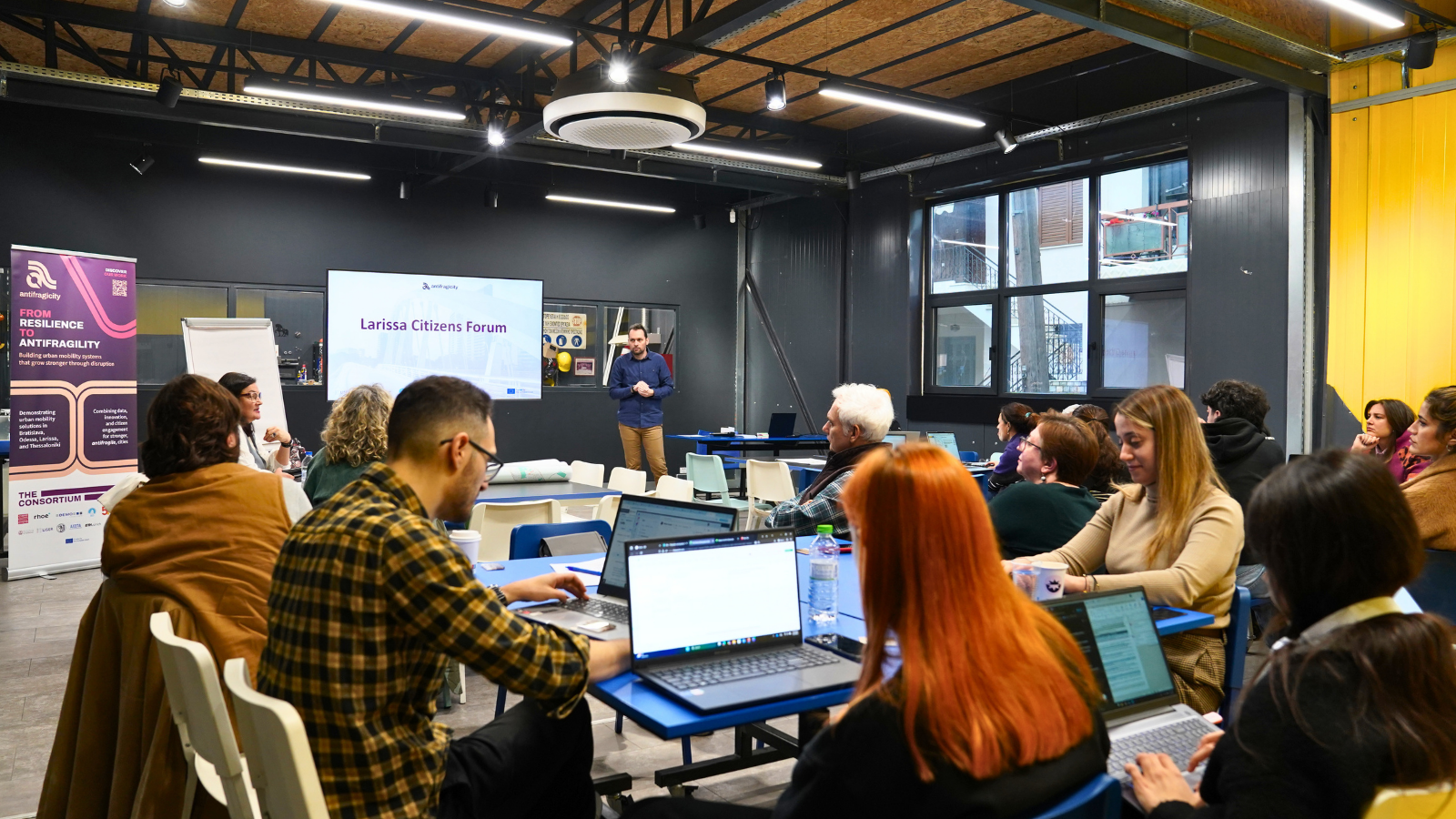
Over two days (6 and 7 February), the Larissa AntifragiCity Forum (LAF) brought together around 40 participants at JOIST Innovation Park for a structured, expert-informed discussion on the future of urban mobility in the Greek city. The forum was led by the Luxembourg Institute of Socio-Economic Research (LISER), in close collaboration with the Municipality of Larissa and the Institute for Entrepreneurship Development (IED).
Where walking meets heat, traffic, and space pressures
Larissa is already a city where many people walk. A lot. But as the forum discussions made clear, walking comfortably and safely are very different things. Heat, fragmented infrastructure, and competition for street space between cars, pedestrians, and cyclists emerged as everyday frustrations. In times of crisis, these same issues can become even serious risks.
The forum took the format of a deliberative process. Participants heard expert evidence, listened to perspectives they wouldn't normally encounter, and worked together to develop practical recommendations. The guiding question was the same as in the other AntifragiCity Citizens’ Forums: "What urban mobility will make your city more liveable today and prepared to respond to future crises?"
Discussions were organised around four themes: liveable cities and quality of life; crisis-responsive mobility; resilient and diverse mobility options; and the sustainable mobility transition.
What citizens said
One of the clearest messages from the Larissa participants was that mobility shapes everyday quality of life. Comfort, shade, safety, and accessibility were not luxuries; they were seen as essential conditions for a city that works well. Without them, even the best-designed transport system risks being underused.
Participants also highlighted frustration with delayed implementation. One participant put it plainly: "The planning is at a high level, the intentions get stuck and stick to the political will that is absent." This points to an important lesson: citizens don't just want better infrastructure, they want to trust that decisions will actually be followed through.
That concern for institutional reliability shaped much of what the group recommended.
The main takeaways
Rather than formally ranking proposals, participants focused on consolidating their ideas into four thematic directions. The result is a set of non-ranked but converging recommendations, and a clear sign of what Larissa's residents believe a better city looks like.
- Liveable streets for everyone. Citizens envisioned a city where walking and cycling are comfortable, intuitive choices, not an afterthought. Key proposals included connected pedestrian and cycling corridors linking neighbourhoods to schools, services, and the city centre; pocket parks and small-scale green interventions to provide shade and rest points; and smarter parking management to reclaim street space for people.
- Coordination and clarity in a crisis. When disruptions occur (floods, heatwaves, infrastructure failures), citizens want authorities to act visibly, quickly, and in a coordinated way. Recommended measures included real-time disruption management systems with live dashboards, dynamic messaging to communicate changes and instructions, and clear provisions ensuring that vulnerable users are never left without support.
- A genuine mobility mix. Resilience, for Larissa participants, means having real options, not being locked into a single mode. The standout proposal here was multimodal hubs with seamless transfers, particularly park-and-ride facilities, making it easy for people to switch between walking, cycling, public transport, and micro-mobility depending on their needs.
- Structural change, not individual guilt. On the sustainable transition, participants were clear: the shift to low-emission mobility has to be a matter of system design, not personal responsibility. That means reallocating street space to give buses, cyclists, and pedestrians genuine priority, and reforming parking policies to reduce car dominance without leaving people stranded.
What this means for AntifragiCity
The Larissa forum adds an important insight into AntifragiCity's research. In a city where car use remains dominant but where citizens express strong support for sustainable alternatives, the findings show that the barrier isn't attitude or public resistance; it's infrastructure gaps and lack of institutional follow-through.
Participants also reported changes in perspective after the process. Support for reducing car use in busy areas rose from two-thirds of participants to unanimous support after deliberation. And nearly two-thirds said they were more likely to walk or cycle more.
These outcomes will feed into AntifragiCity's research, helping shape future modelling tools and policy recommendations across Europe.
About AntifragiCity's Citizens' Forums
The AntifragiCity Citizens' Forums took place in three of the project's demonstration cities: Bratislava, Larissa, and Thessaloniki. They form part of a broader effort to ensure that the project's research is grounded in real citizens' voices.
Each forum brought together a diverse group of residents for structured and informed deliberation. Recommendations were developed independently by participants, with no predetermined outcomes.
The forums were commissioned and funded by the AntifragiCity project and led by the Luxembourg Institute of Socio-Economic Research (LISER). In Larissa, LISER was supported by the Municipality of Larissa and the Institute for Entrepreneurship Development (IED).
For more updates and stories on AntifragiCity, subscribe to our newsletter and follow us on LinkedIn, Bluesky, X, Facebook, and YouTube.
Thessaloniki residents are ready for a more resilient and sustainable urban mobility system
With a new metro recently launched and a ring road under construction, Thessaloniki is living through the disruption that comes before transformation. Traffic has worsened, daily commutes have become harder, and residents are aware that their city relies too heavily on private cars, with public transport that struggles to keep pace and cycling infrastructure that barely exists. Moreover, extreme weather events have highlighted the city's vulnerability, underscoring the urgent need for a more resilient and sustainable urban mobility system.
It was in this context that the Thessaloniki AntifragiCity Forum (TAF) brought together citizens to ask: "What urban mobility will make your city more livable today and prepared to respond to future crises?"
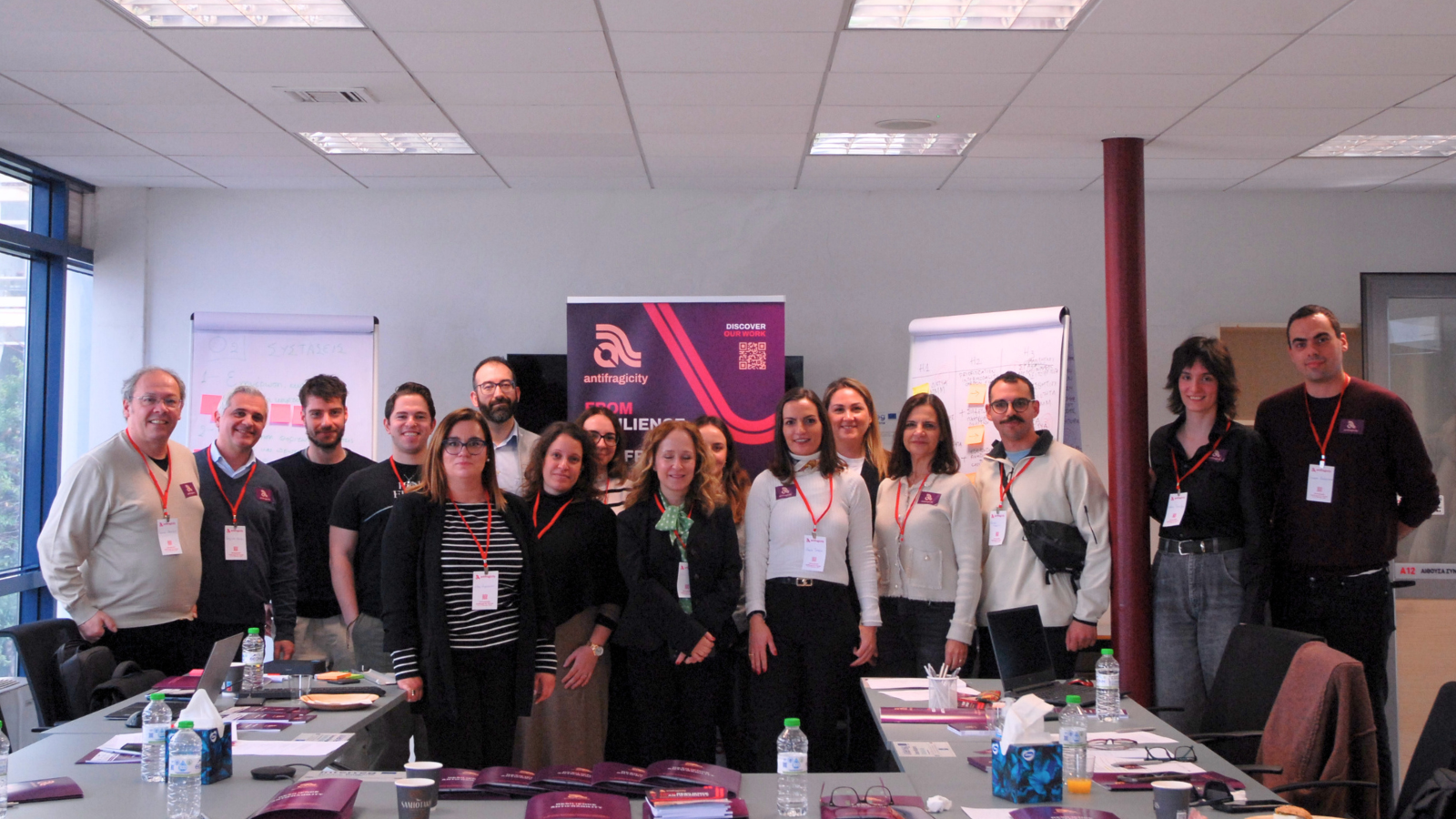
The TAF was organised by the Luxembourg Institute of Socio-Economic Research (LISER) in partnership with the Aristotle University of Thessaloniki (AUTh), whose team provided the facilitators and experts for the session, grounding the conversation in both local realities and the wider research objectives of AntifragiCity. The TAF was hosted at the Technical Chamber of Greece / Section of Central Macedonia.
Though small in size, with 11 participants, the forum brought together a gender-balanced group reflecting a wide range of backgrounds and experiences. Their active engagement enriched the discussions, as participants contributed diverse everyday perspectives and built on each other's ideas in a collaborative and respectful exchange.
What citizens said
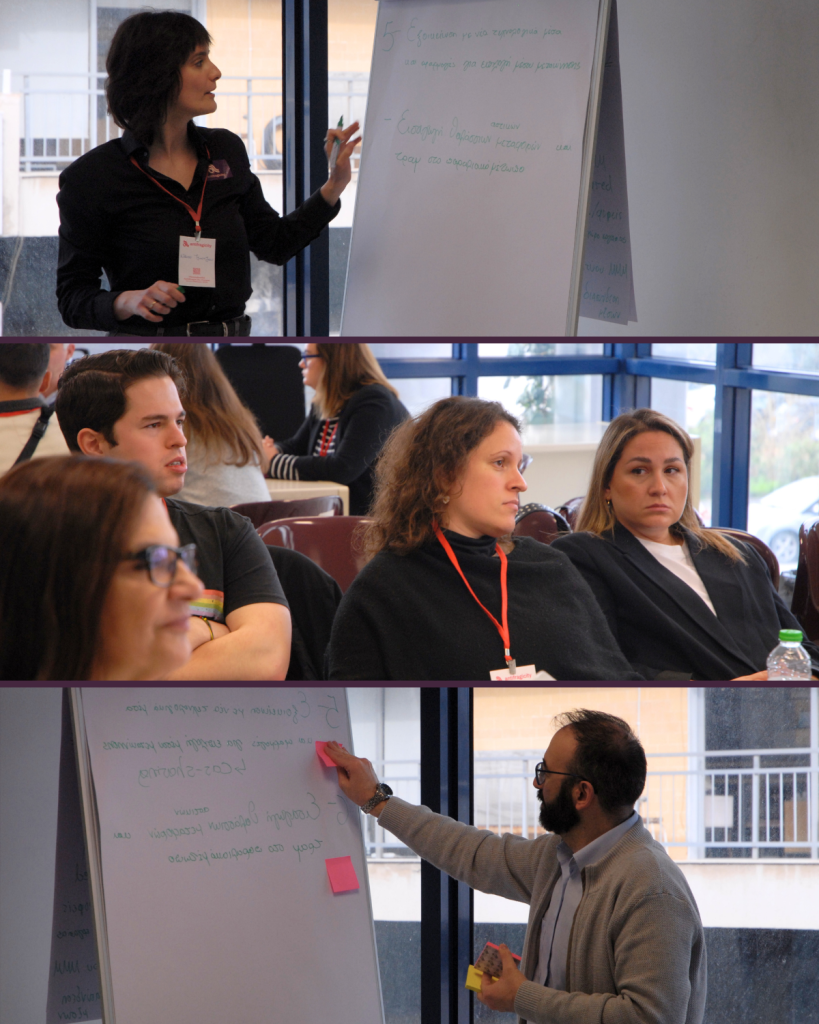
Three topics dominated the conversation: the current insufficiencies of Thessaloniki's transport network, the role of awareness and public participation, and the potential to build a more resilient and sustainable urban mobility system step by step.
The concerns shared were honest and specific. Public transport, participants said, becomes "chaotic" during emergencies or strikes, and on ordinary days, it already falls short of offering a real alternative to the car. Cycling infrastructure is fragmented, pedestrian zones are insufficient, and in some neighbourhoods, feelings of insecurity are changing how people move.
A recurring concern was the lack of a "common consciousness" for using public transport, alongside a low trust and a sense of insecurity when using shared mobility services.
One moment that stood out in the discussions: a consensus that electric vehicles (EVs) are not the solution. Widespread EV adoption, participants agreed, is not a solution to address congestion, reclaim public space, or reduce the city's dependence on private car culture.
The main takeaways
An integrated multimodal system. Public transport should be the backbone, with easy connections to walking, cycling, and shared mobility. That means better interchange stations, continuous cycling and pedestrian networks, and traffic-free zones in the historical centre.
Mobility-as-a-Service. Prioritising digital platforms that provide unified journey planning, booking, payment, and real-time information to make sustainable transport more intuitive.
Inclusive and accessible design. Participants flagged not just the elderly and people with disabilities, but also parents with strollers as a frequently overlooked group facing daily mobility barriers. Inclusive design means designing for everyone, guaranteeing that mobility services are truly equitable.
Proactive, not reactive, crisis management. Participants called for a shift toward anticipatory crisis protocols — including AI-based early detection systems and pre-set emergency mobility responses — so that when disruption hits, the city is already prepared.
Maritime transport opportunities. One of the forum's more creative proposals: to use the city's coastline. Introducing maritime urban transport (boats) and trams along the waterfront could offer an alternative route that bypasses road congestion while making the most of one of Thessaloniki's greatest assets.
Hyper-local governance. An innovative idea was the proposal for "neighbourhood assemblies"; activating local citizen groups to identify and implement small-scale mobility solutions for their own communities.
What this means for AntifragiCity
The Thessaloniki forum will contribute to AntifragiCity's research in different ways. The discussions have helped map the specific urban disruptions the city faces, feeding into the project's Urban Event Catalogue and the development of an event ontology used to categorise and respond to stressors.
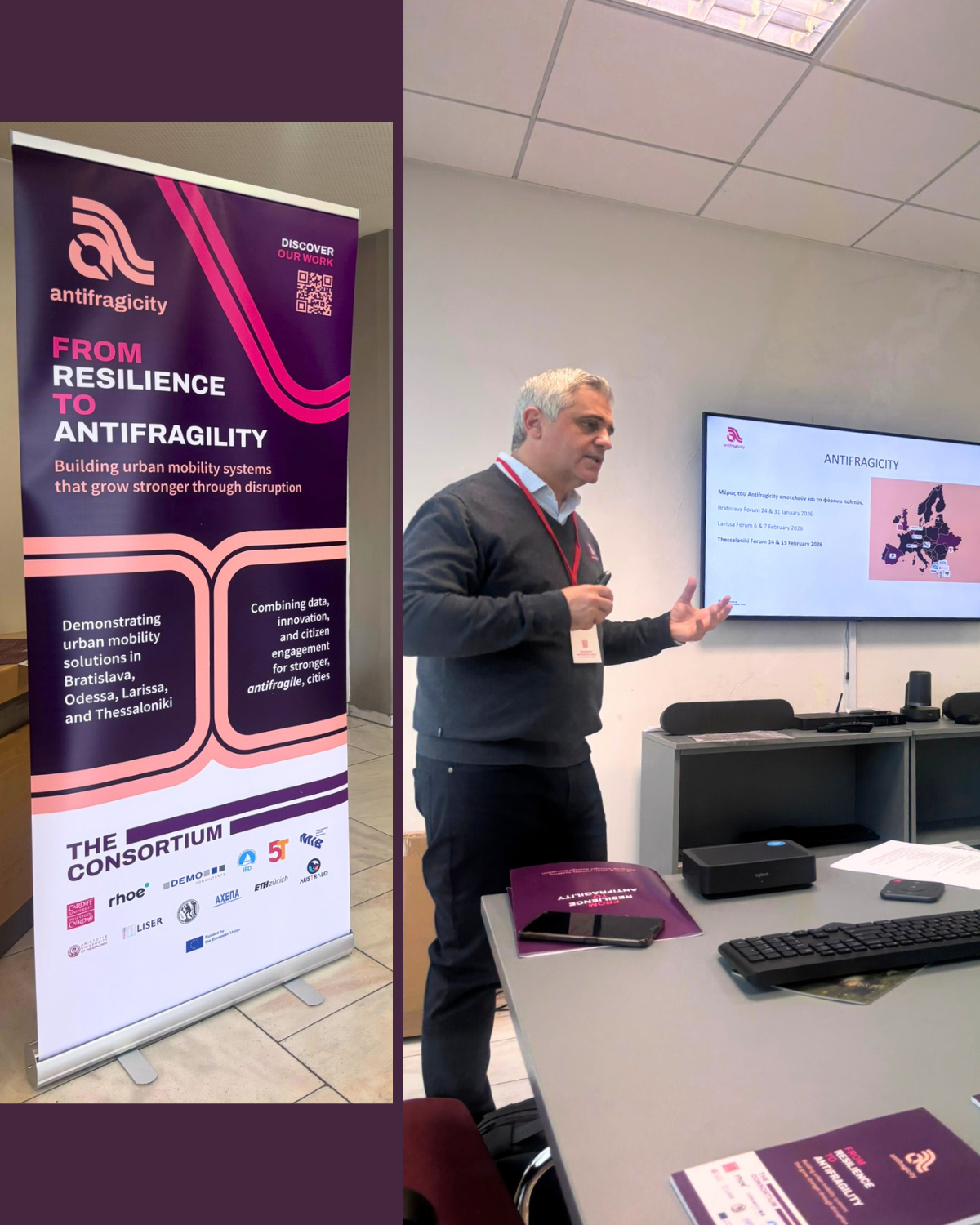
Participant insights will inform the development of the Simulator for Urban Mobility Antifragility (SUMA). This platform will monitor and analyse stressors in real time to recommend tailored responses through the Mobility Triage Analysis Handbook.
The forum’s reflections on social trust and a shared sense of "common consciousness" highlight an important insight: technical solutions, such as electric vehicles or new infrastructure, are most effective when they are supported by public understanding, trust, and a sense of collective responsibility. From the perspective of the AntifragiCity Citizens’ Forums, this reinforces the importance of structured, inclusive dialogue as a core component of urban transition processes. It is through such participatory spaces that not only potential solutions are explored, but also the conditions for their legitimacy, acceptance, and long-term sustainability are collectively shaped.
The results will be further explored and tested in real-world settings, including specific demonstration sites such as AHEPA General Hospital in Thessaloniki, as well as in other pilot cities like Larissa, Bratislava, and Odessa. In parallel, the insights will be shared with the next generation of engineers at Aristotle University of Thessaloniki (AUTh) and disseminated more broadly within the Greek professional community through the Technical Chamber of Greece, helping to inform ongoing learning and dialogue around sustainable mobility.
About AntifragiCity's Citizens' Forums
The AntifragiCity Citizens' Forums took place in three of the project's demonstration cities: Bratislava, Larissa, and Thessaloniki. They form part of a broader effort to ground the project’s research in the perspectives and lived experiences of citizens.
Each forum brought together a diverse group of residents to engage in structured, informed deliberation on the issue of urban mobility. The process was deliberately designed to be open and ideologically neutral, with no predetermined outcomes. Within this framework, participants themselves shaped the discussion and developed the resulting reflections and recommendations through collective dialogue.
The forums were commissioned and funded by the AntifragiCity project and led by the Luxembourg Institute of Socio-Economic Research (LISER). In Thessaloniki, LISER was supported by the Aristotle University of Thessaloniki (AUTh).
For more updates and stories on AntifragiCity, subscribe to our newsletter and follow us on LinkedIn, Bluesky, X, Facebook, and YouTube.
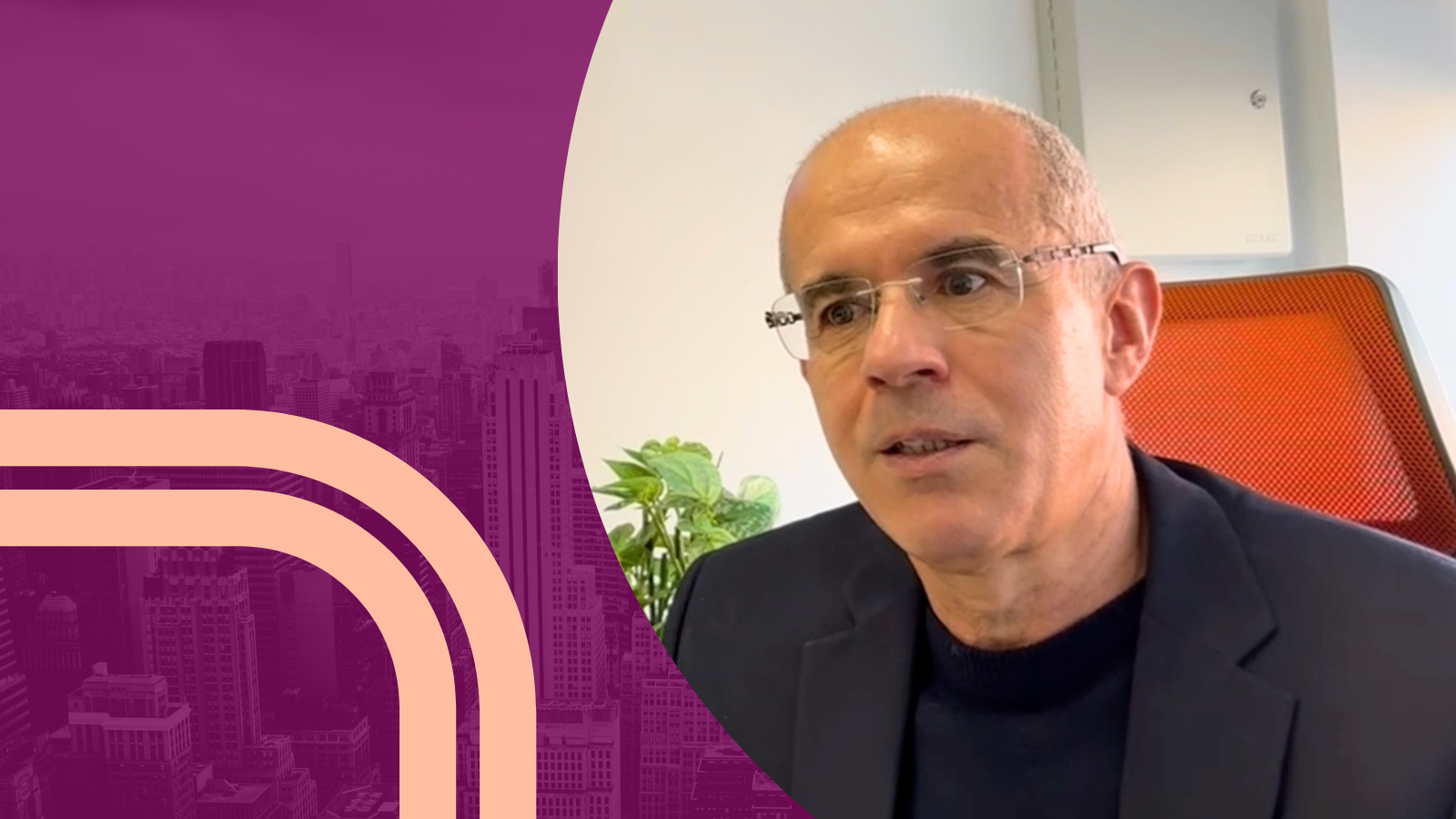
Yacine Rezgui: "We'll help cities detect disruptions, choose the right response, and improve mobility"
To mark our first anniversary, we sat down with Yacine Rezgui, Professor of Urban Intelligence at Cardiff University and AntifragiCity Coordinator, for a conversation about the project's first year and the road ahead.
Yacine reflects on three key milestones: the completion of our Citizens' Forums in Bratislava, Larissa, and Thessaloniki; the development of our equilibrium model; and the progress made in building a cohesive, aligned consortium across 13 partners and 8 countries.
He also explains why antifragility represents something genuinely new, and why the distinction from resilience matters for how we design cities.
"An antifragile urban mobility system should not simply return to its previous state after disruption, but learn from the stressors that have affected it and improve its capacity to deal with similar stresses in the future."
Watch the interview with Yacine
Watch the full interview:
https://www.youtube.com/watch?v=r_rDFjxEoHg
Want to learn more about AntifragiCity and the work we're doing?
Explore our interview series to hear directly from the people driving our project forward.
About AntifragiCity
AntifragiCity is a Horizon Europe project rethinking urban mobility across Europe. Through collaboration among 13 partners across 8 countries, the project designs mobility systems that don't just recover from disruption but adapt, improve, and grow stronger because of it. By combining technology, social science, and real-world testing, AntifragiCity is building a roadmap for sustainable, inclusive, and antifragile mobility systems.
For more updates and stories on AntifragiCity, subscribe to our newsletter and follow us on LinkedIn, Bluesky, X, Facebook, and YouTube.
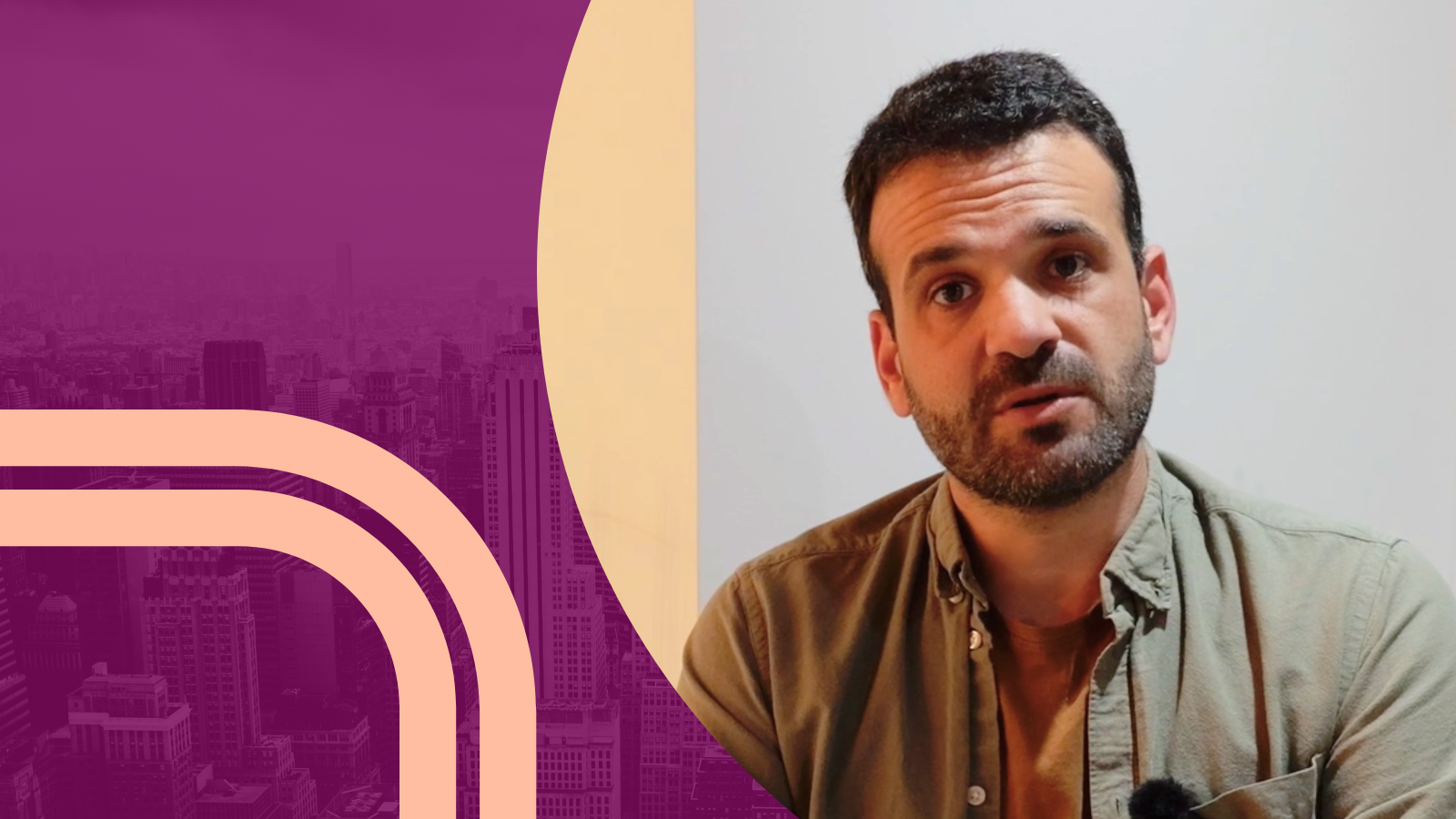
Antonis Sapountzis: "One part is to provide solutions, another is to show what we're producing"
Antonis Sapountzis represents AUSTRALO, the partner leading communication, dissemination, and ecosystem-building activities in AntifragiCity. His work focuses on ensuring that the project’s results reach the right audiences, from policymakers and researchers to citizens, while creating meaningful opportunities for engagement.
Through outreach, events, and participatory initiatives like our Citizens' Forums, AUSTRALO helps build a two-way dialogue between the project and the communities it aims to serve.
"One part is to provide solutions, but another part is to show to citizens and stakeholders what we are producing, and to engage in a two-way system, where we also learn from them."
Watch the interview with Antonis
Watch the full interview to discover how communication, engagement, and collaboration help turn research into real-world impact for cities and citizens.
https://www.youtube.com/watch?v=a_OBK3rr_3o
Want to learn more about AntifragiCity and the work we're doing?
Explore our interview series to hear directly from the people driving our project forward.
About AntifragiCity
AntifragiCity is a Horizon Europe project rethinking urban mobility across Europe. Through collaboration among 13 partners across 8 countries, the project designs mobility systems that don't just recover from disruption but adapt, improve, and grow stronger because of it. By combining technology, social science, and real-world testing, AntifragiCity is building a roadmap for sustainable, inclusive, and antifragile mobility systems.
For more updates and stories on AntifragiCity, subscribe to our newsletter and follow us on LinkedIn, Bluesky, X, Facebook, and YouTube.

Katerina Moschopoulou: "When cities, citizens and researchers come together"
Katerina Moschopoulou is a Junior Project Manager at Rhoé, with a background in surveying engineering, GIS analysis, and urban planning. Within AntifragiCity, she supports project coordination while contributing to the development of tools that bridge research and real-world urban mobility challenges.
Her work connects technical expertise with practical application, ensuring that the project's solutions are not only well designed but also usable and relevant to cities and stakeholders.
"I'm really excited about the next phases, when cities, citizens, and researchers will come together and use the tools that we're developing for them. Being able to test scenarios and see how policy, infrastructure, and user behaviour interact under different conditions will be really valuable."
Watch Katerina's interview
Watch the full interview to discover how collaborative tools and real-world scenarios can help cities better understand and respond to change.
https://youtu.be/hz7nfJNV1u4
Want to learn more about AntifragiCity and the work we're doing?
Explore our interview series to hear directly from the people driving our project forward.
About AntifragiCity
AntifragiCity is a Horizon Europe project rethinking urban mobility across Europe. Through collaboration among 13 partners across 8 countries, the project designs mobility systems that don't just recover from disruption but adapt, improve, and grow stronger because of it. By combining technology, social science, and real-world testing, AntifragiCity is building a roadmap for sustainable, inclusive, and antifragile mobility systems.
For more updates and stories on AntifragiCity, subscribe to our newsletter and follow us on LinkedIn, Bluesky, X, Facebook, and YouTube.
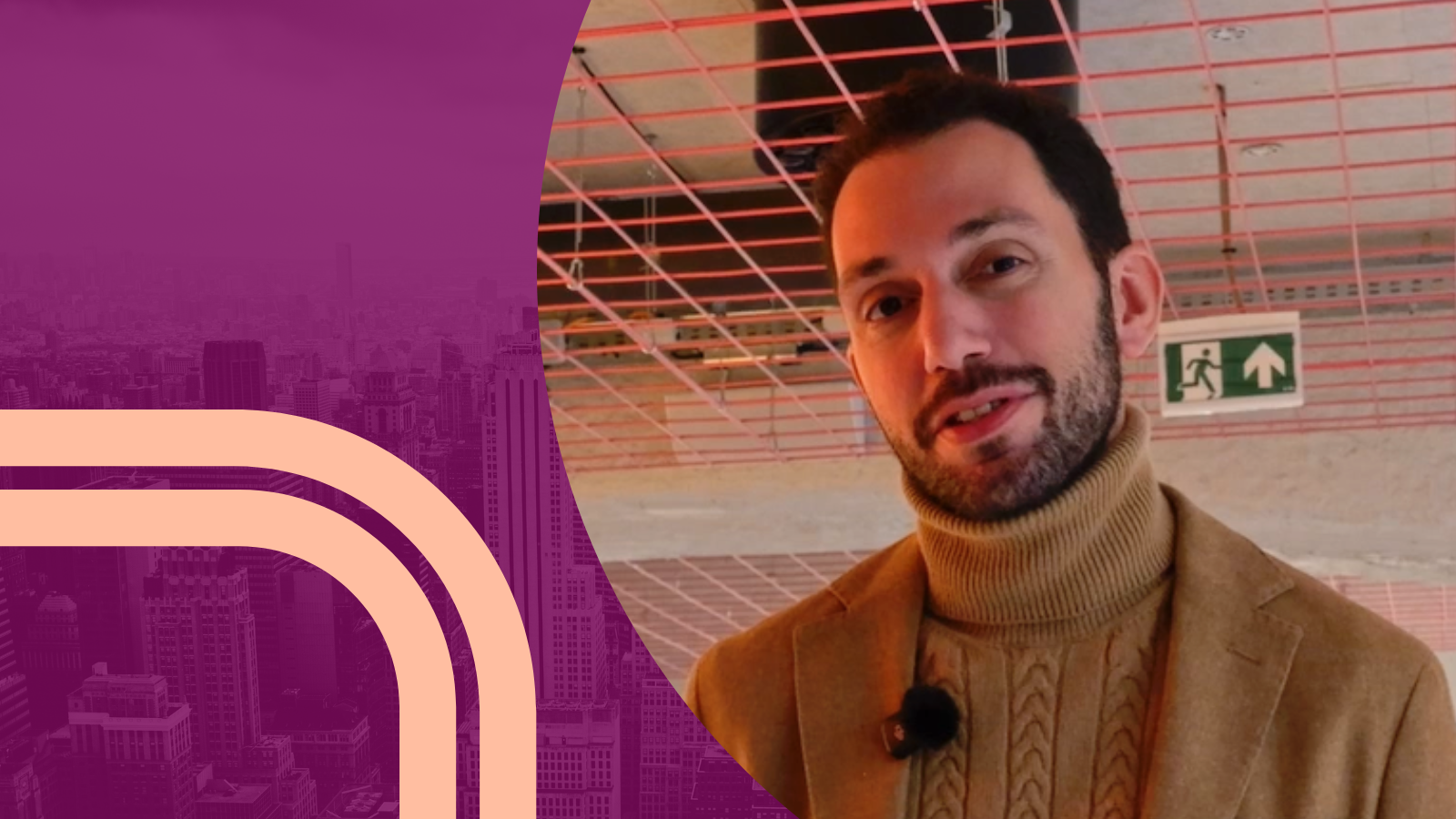
Theocharis Vlachopanagiotis: "We're redefining our approach to disruptions"
Theocharis Vlachopanagiotis is the Co-founder and CEO of Rhoé. Within AntifragiCity, Rhoé plays a dual role: supporting the project horizontally across work packages while leading the development of the Sustainable Urban Mobility Antifragility (SUMA) platform.
This platform brings together the project's insights into a practical, accessible tool designed to help cities analyse, anticipate, and respond more effectively to disruptions, turning complex data and research into real-world decision-making support.
"While current systems have been built on trying to avoid disruptions, we are embracing them and trying to build cities that can learn and become better and stronger through disruptions."
Watch Theocharis's interview
Watch the full interview to discover how data and new approaches to disruption can help cities respond more effectively, and make everyday mobility smoother for citizens.
https://youtu.be/8Vl-nafToSI
Want to learn more about AntifragiCity and the work we're doing?
Explore our interview series to hear directly from the people driving our project forward.
About AntifragiCity
AntifragiCity is a Horizon Europe project rethinking urban mobility across Europe. Through collaboration among 13 partners across 8 countries, the project designs mobility systems that don't just recover from disruption but adapt, improve, and grow stronger because of it. By combining technology, social science, and real-world testing, AntifragiCity is building a roadmap for sustainable, inclusive, and antifragile mobility systems.
For more updates and stories on AntifragiCity, subscribe to our newsletter and follow us on LinkedIn, Bluesky, X, Facebook, and YouTube.

Lisa Verhasselt: "We make sure that citizens voices are heard"
Lisa Verhasselt is a Research Associate at the Luxembourg Institute of Socio-Economic Research (LISER), where she focuses on citizen participation. Within AntifragiCity, LISER leads efforts to ensure that citizens' voices are meaningfully integrated throughout the project.
Through the organisation of Citizens’ Forums in Bratislava, Larissa, and Thessaloniki, Lisa and her team bring together diverse groups of residents to share their experiences, perspectives, and expectations for urban mobility, in both everyday situations and times of disruption.
"For me, AntifragiCity is about hearing what cities are today and hearing what they might need in the future. And not only from experts or from municipalities, but also very much from citizens, learning from them, hearing them, understanding their lived experience and really taking that at the core of AntifragiCity."
Watch Lisa's interview
Watch the full interview to discover how citizens' voices are helping shape the future of urban mobility.
https://youtu.be/SaIQwAaS79k
Want to learn more about AntifragiCity and the work we're doing?
Explore our interview series to hear directly from the people driving our project forward.
About AntifragiCity
AntifragiCity is a Horizon Europe project rethinking urban mobility across Europe. Through collaboration among 13 partners across 8 countries, the project designs mobility systems that don't just recover from disruption but adapt, improve, and grow stronger because of it. By combining technology, social science, and real-world testing, AntifragiCity is building a roadmap for sustainable, inclusive, and antifragile mobility systems.
For more updates and stories on AntifragiCity, subscribe to our newsletter and follow us on LinkedIn, Bluesky, X, Facebook, and YouTube.