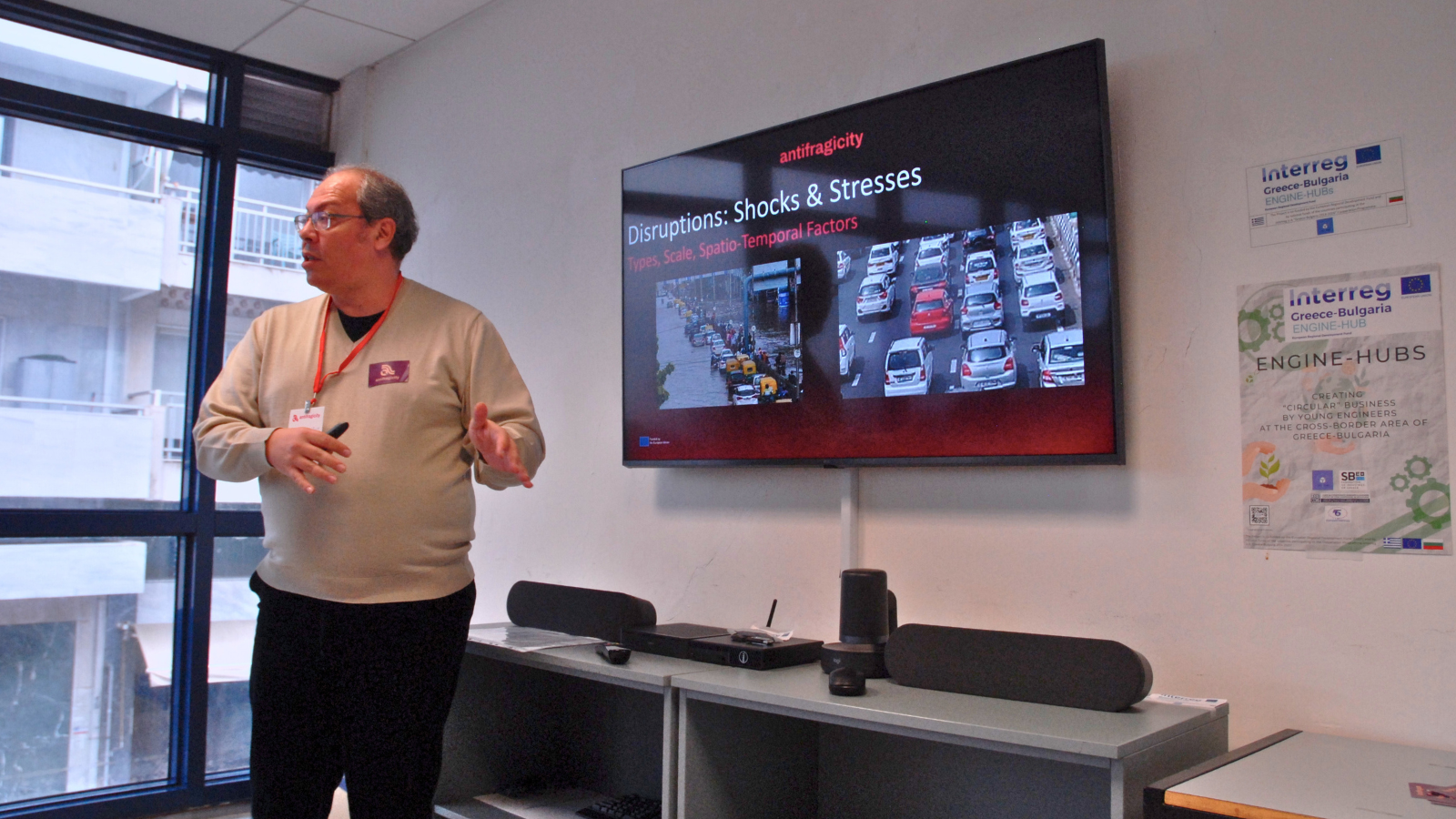
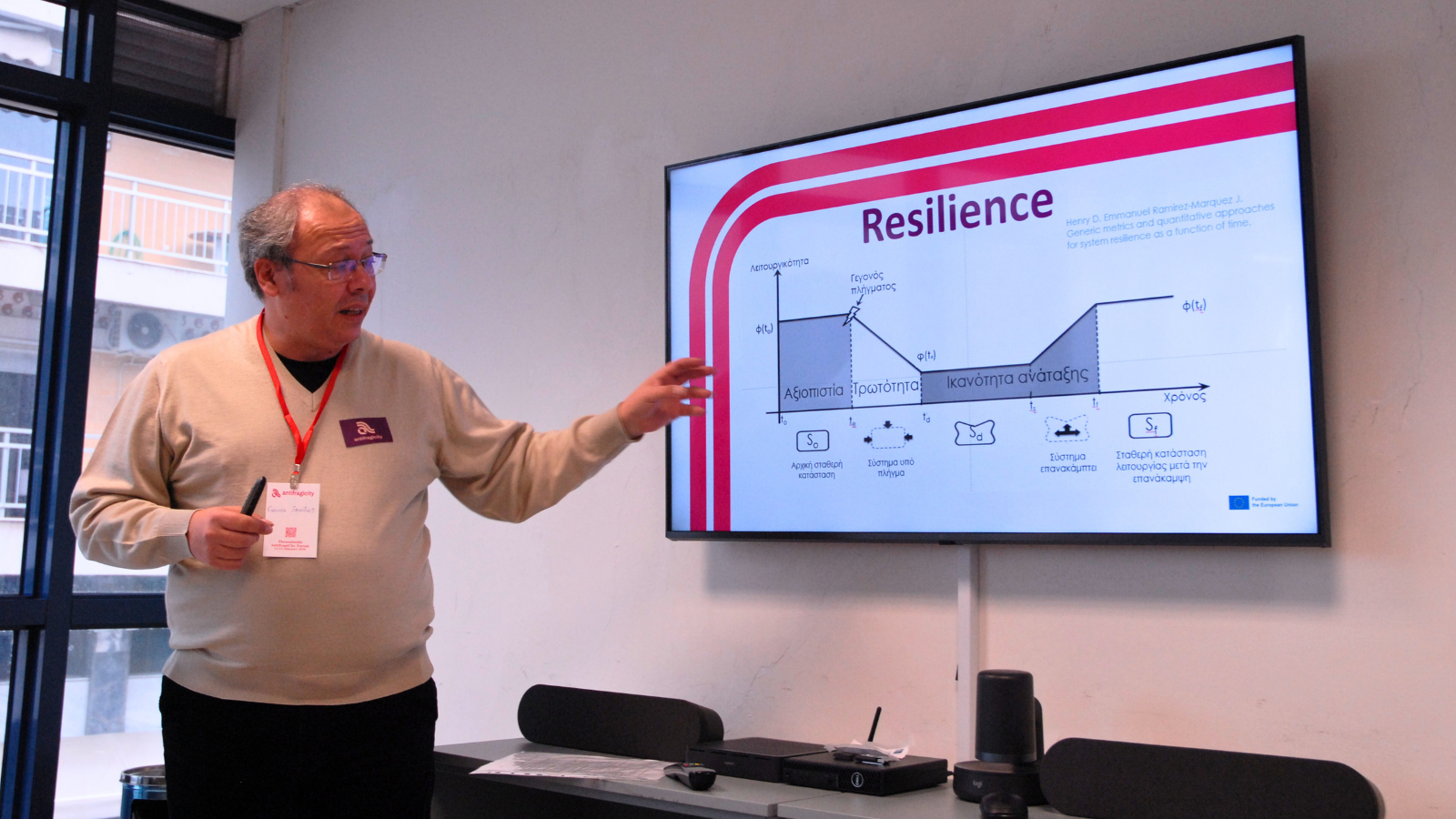
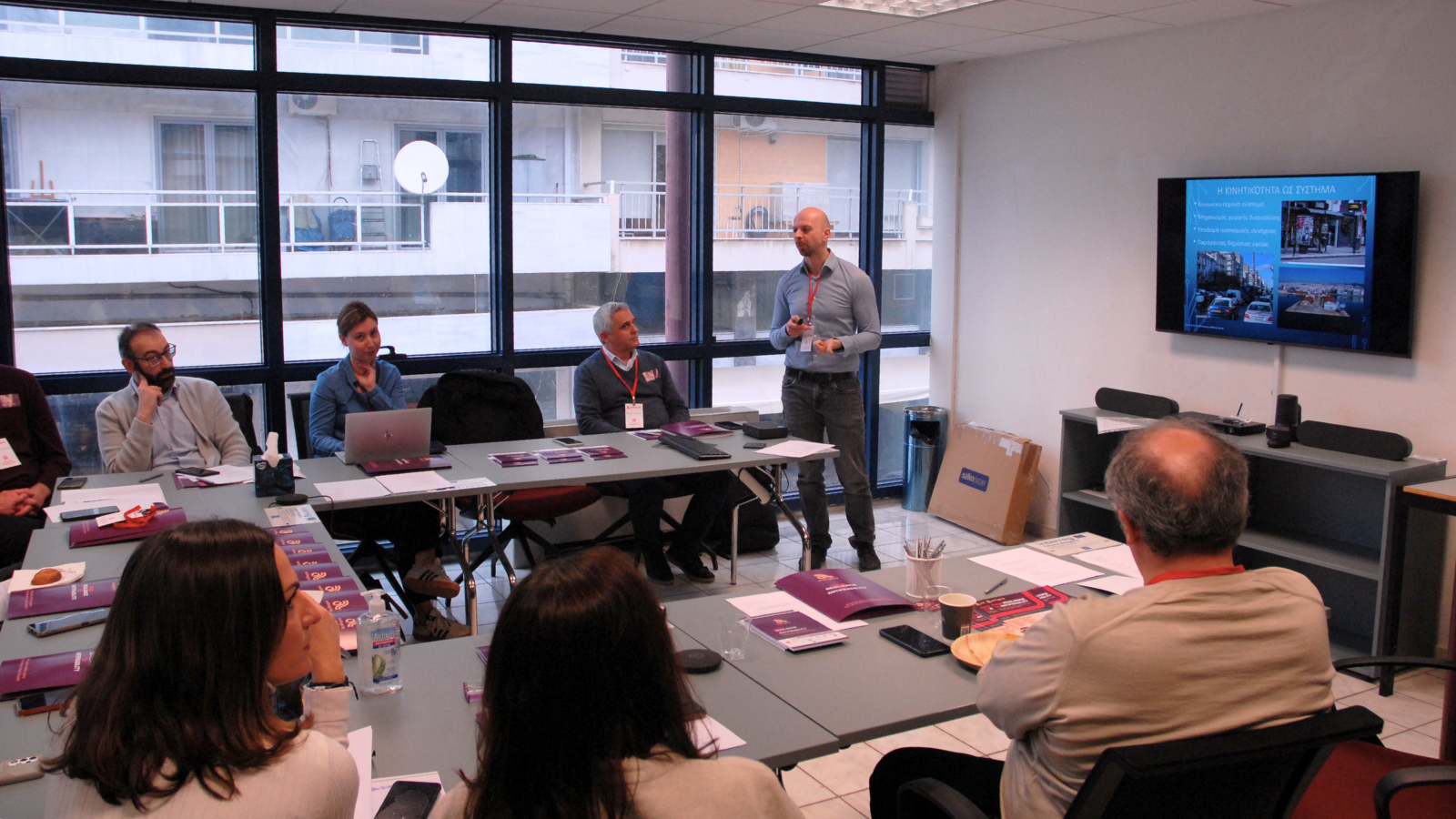
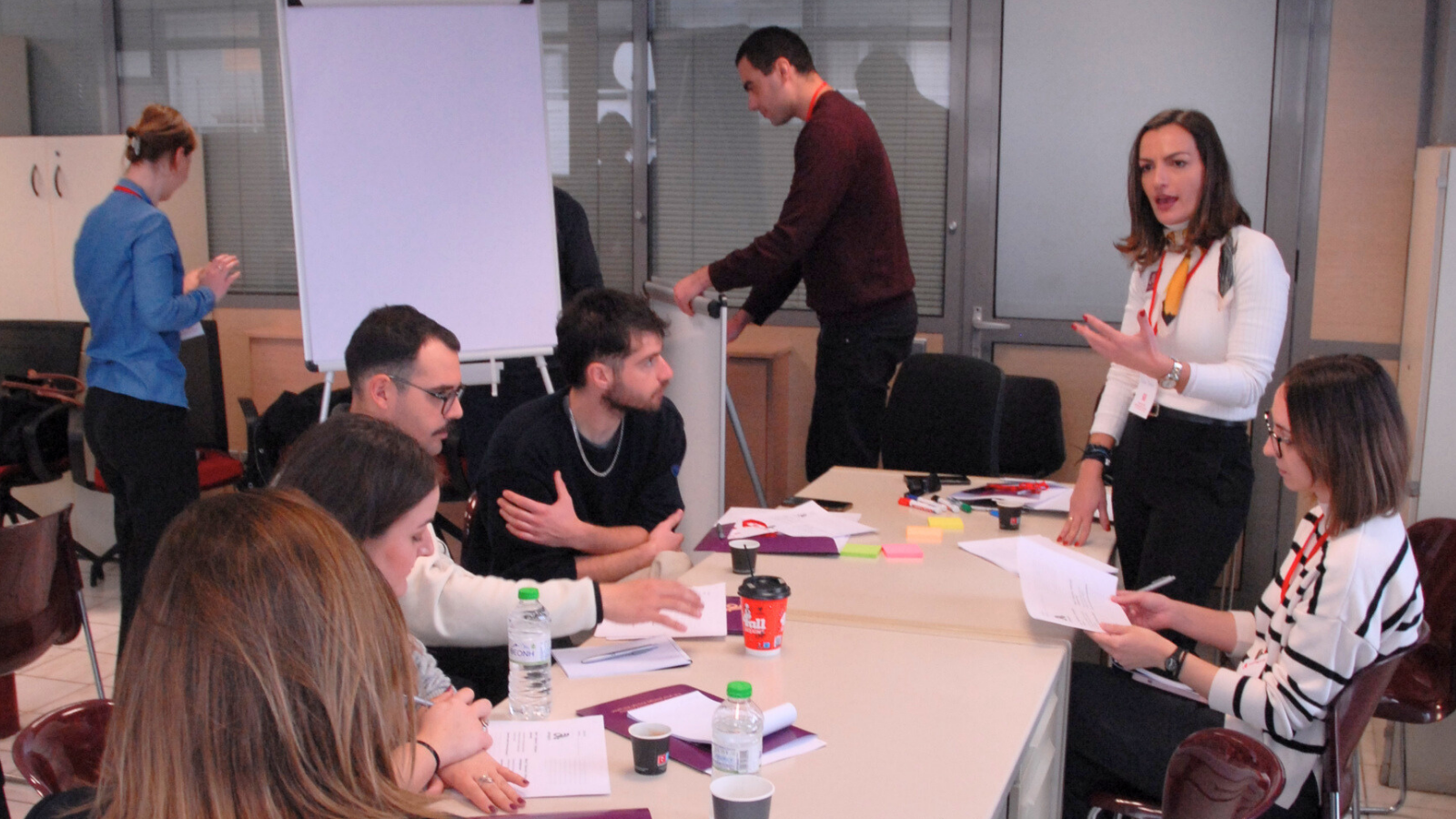
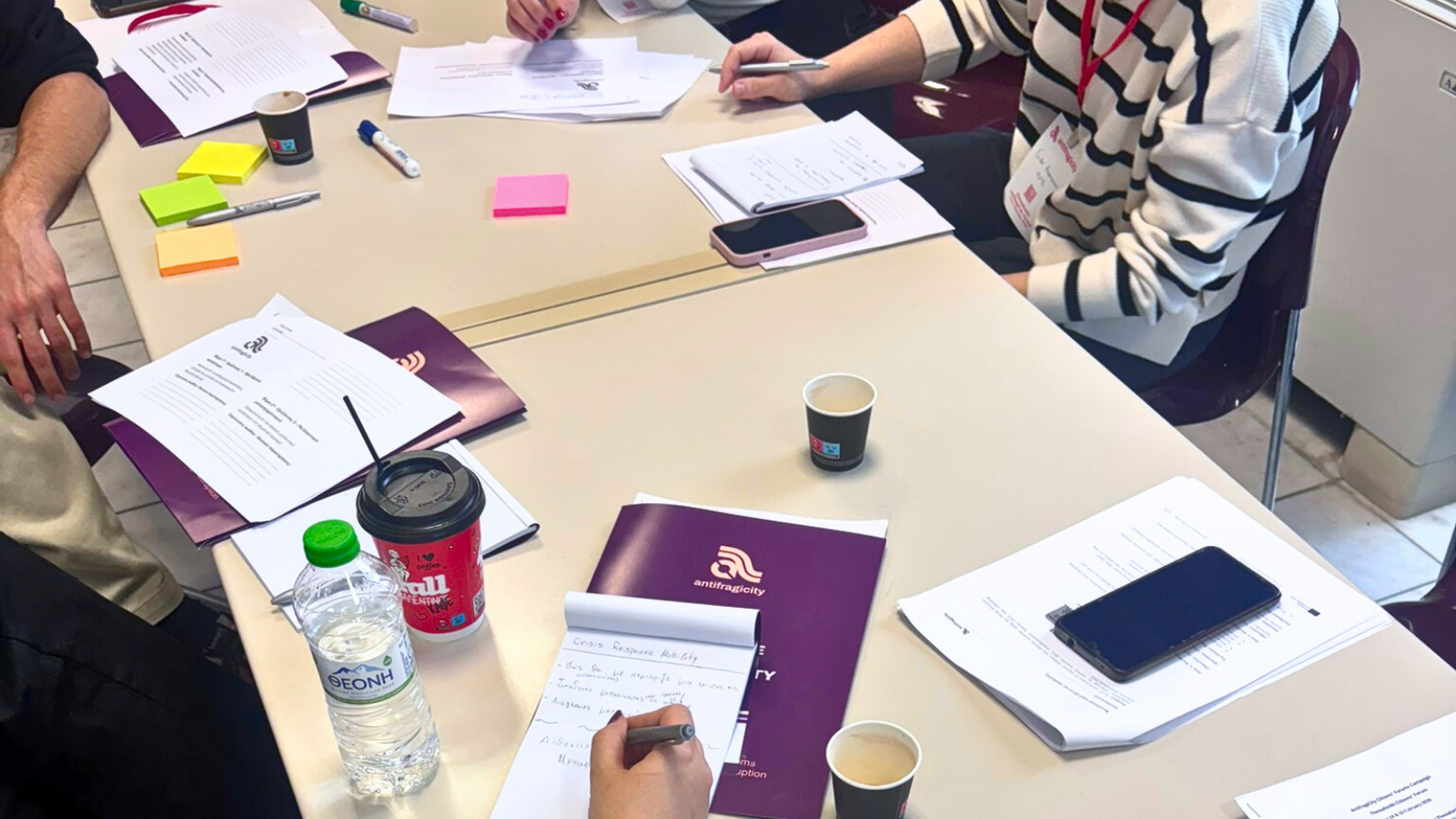
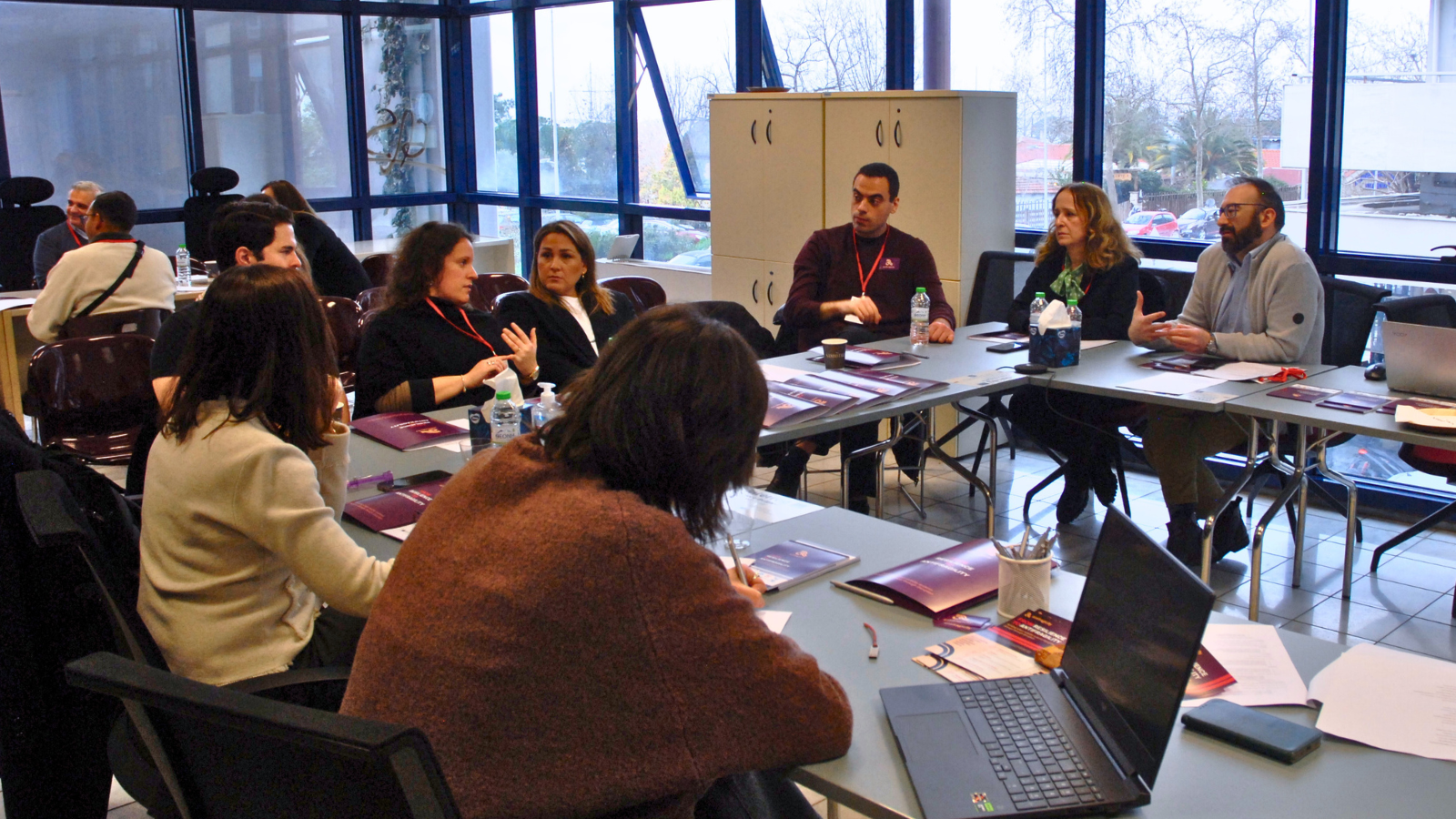
With a new metro recently launched and a ring road under construction, Thessaloniki is living through the disruption that comes before transformation. Traffic has worsened, daily commutes have become harder, and residents are aware that their city relies too heavily on private cars, with public transport that struggles to keep pace and cycling infrastructure that barely exists. Moreover, extreme weather events have highlighted the city’s vulnerability, underscoring the urgent need for a more resilient and sustainable urban mobility system.
It was in this context that the Thessaloniki AntifragiCity Forum (TAF) brought together citizens to ask: “What urban mobility will make your city more livable today and prepared to respond to future crises?”
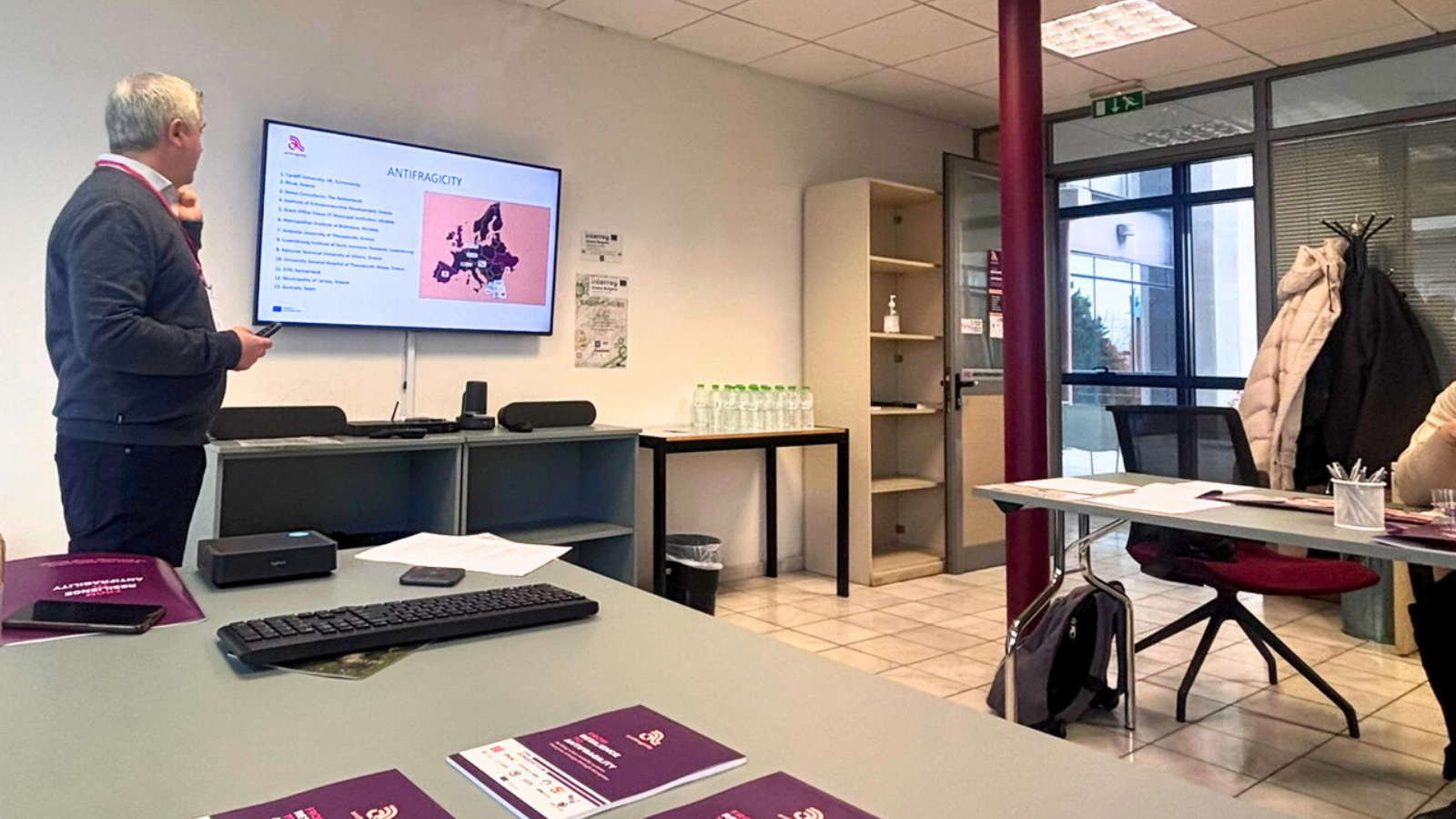
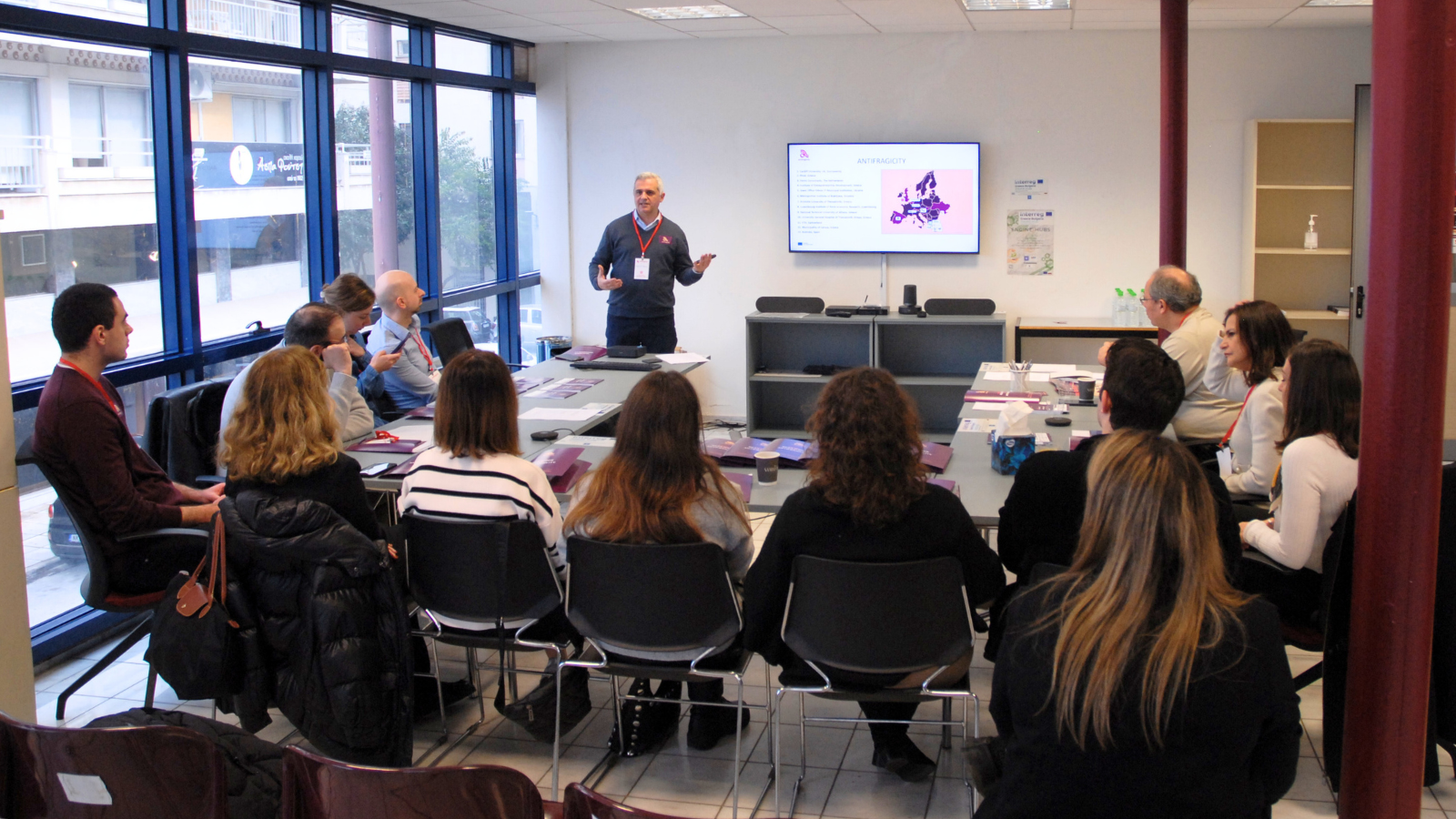
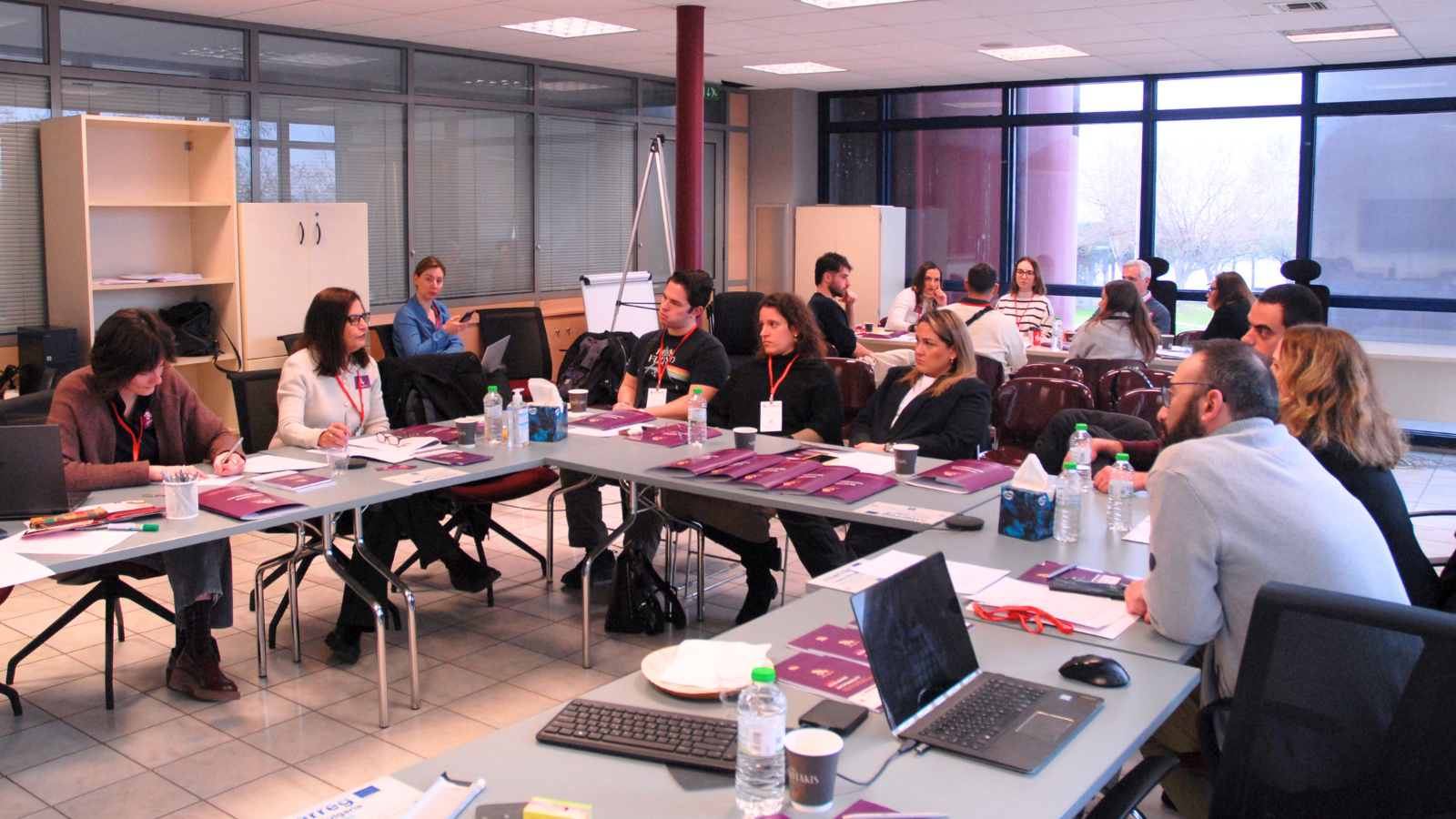
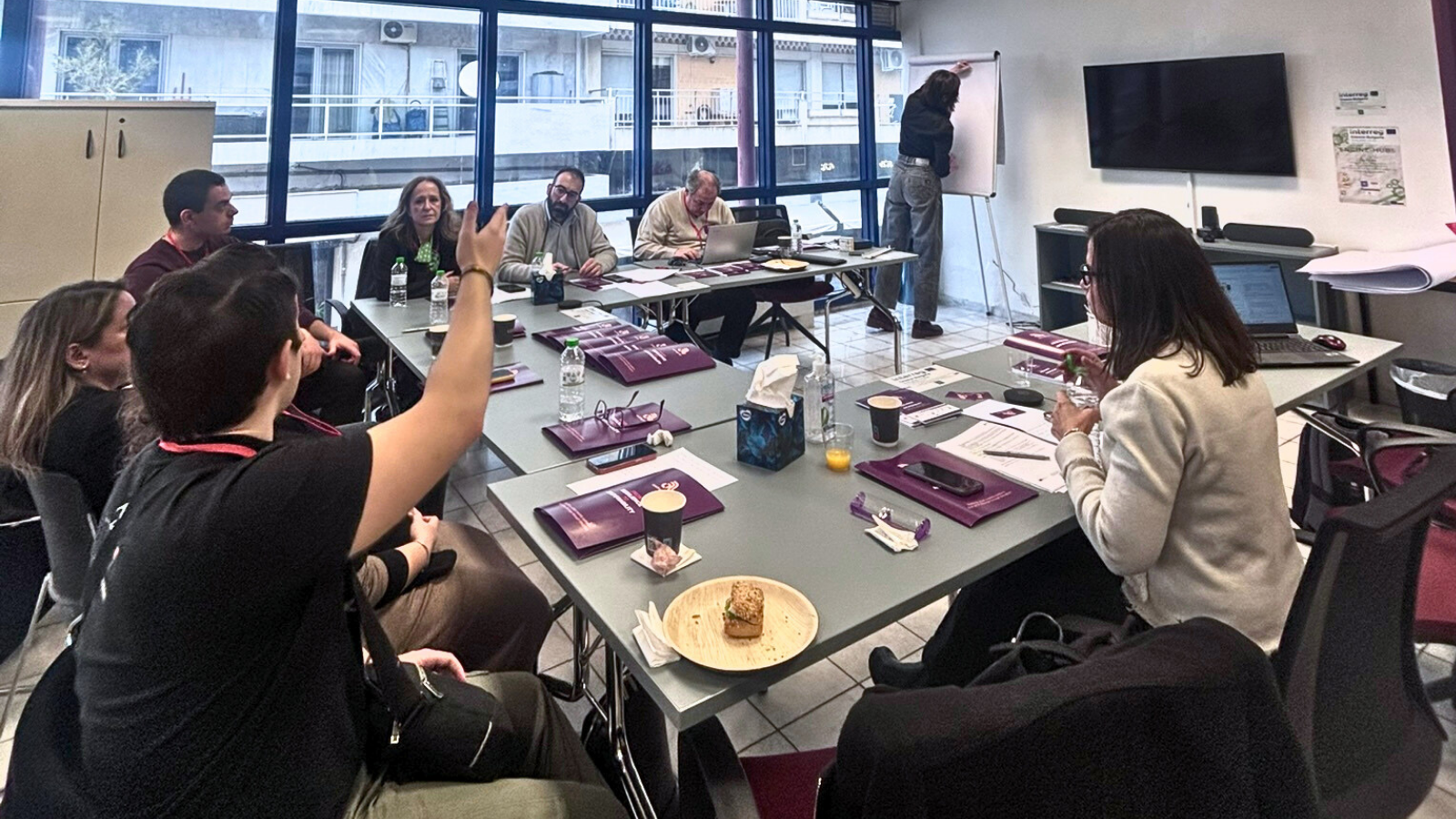
The TAF was organised by the Luxembourg Institute of Socio-Economic Research (LISER) in partnership with the Aristotle University of Thessaloniki (AUTh), whose team provided the facilitators and experts for the session, grounding the conversation in both local realities and the wider research objectives of AntifragiCity. The TAF was hosted at the Technical Chamber of Greece / Section of Central Macedonia.
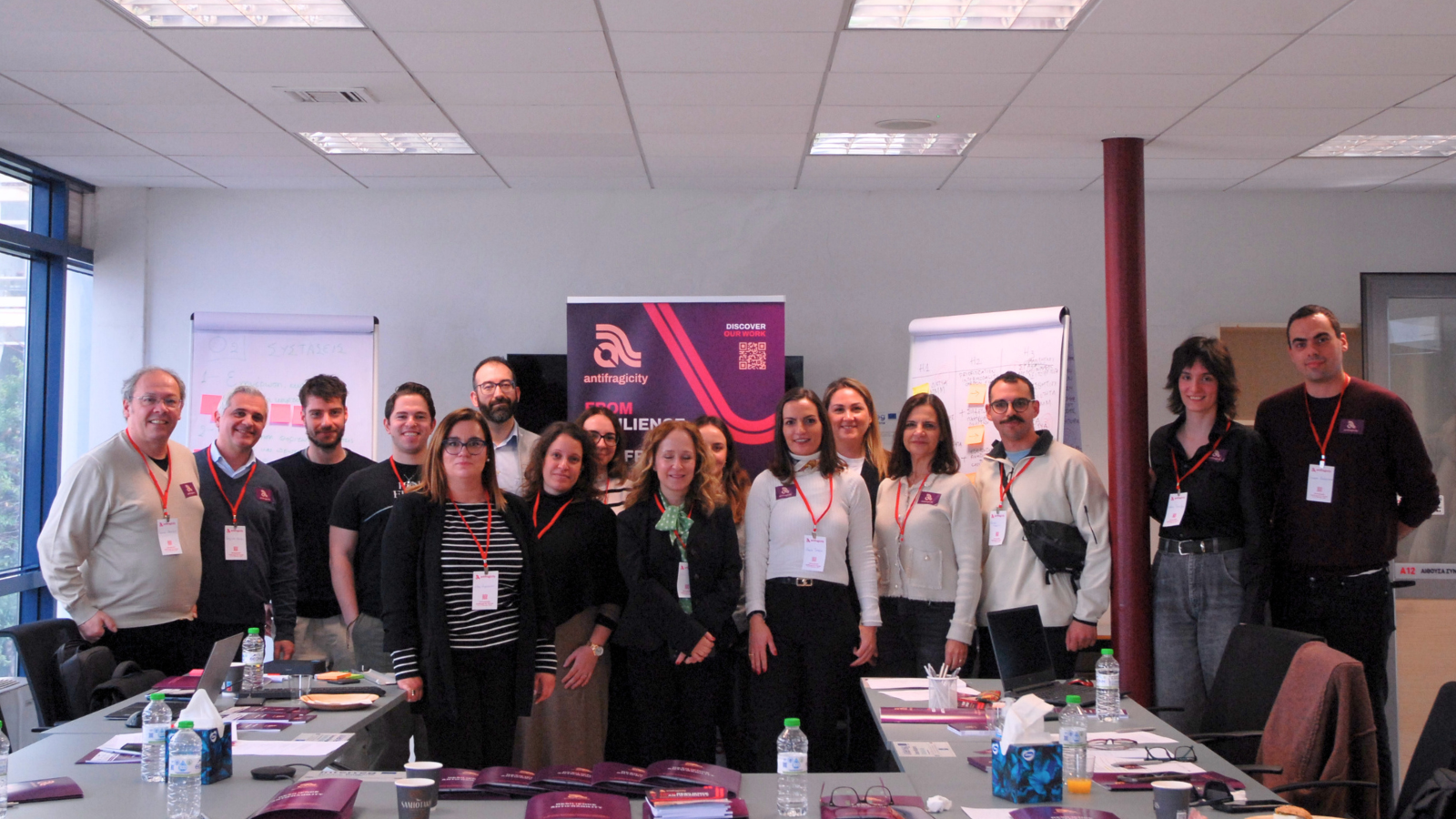
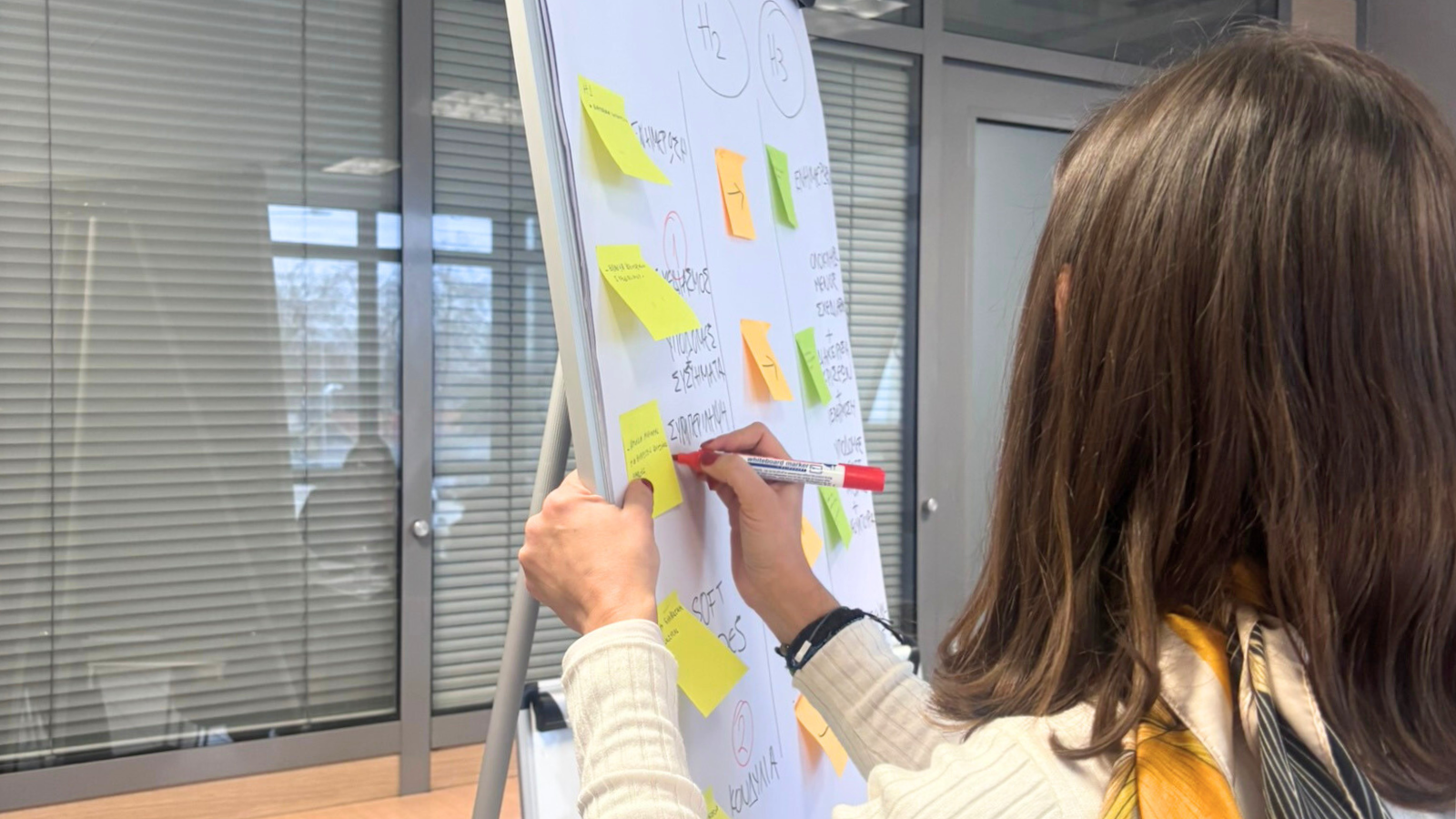
Though small in size, with 11 participants, the forum brought together a gender-balanced group reflecting a wide range of backgrounds and experiences. Their active engagement enriched the discussions, as participants contributed diverse everyday perspectives and built on each other’s ideas in a collaborative and respectful exchange.
What citizens said
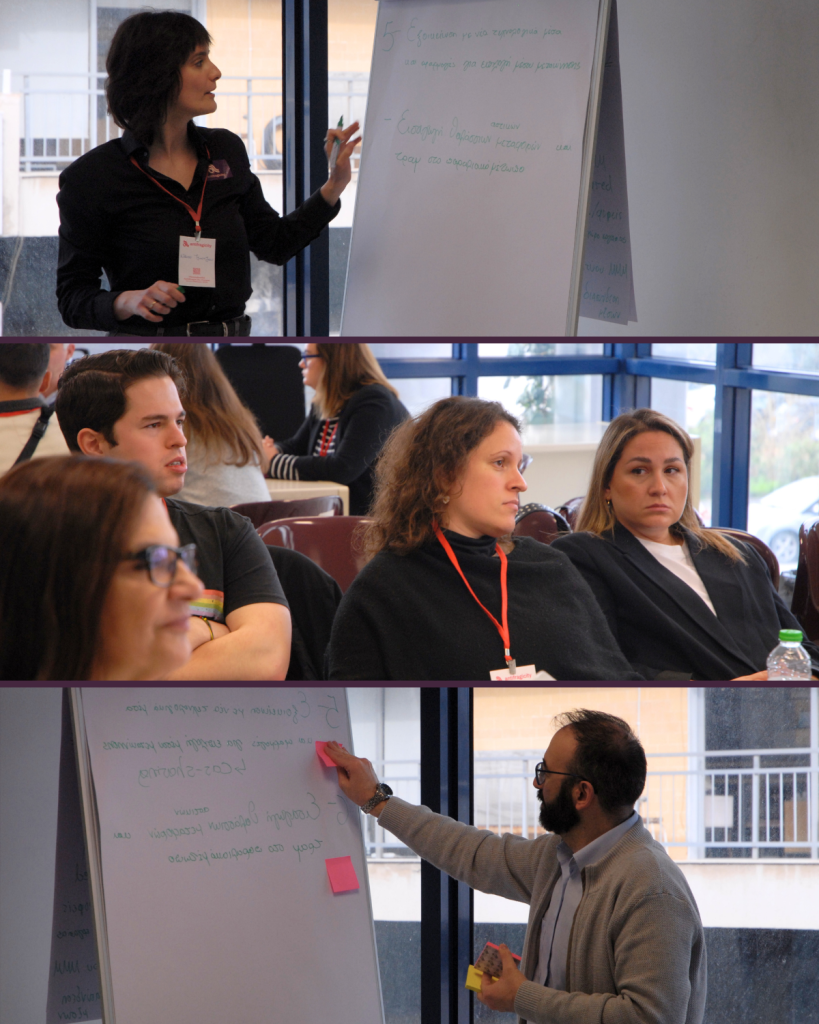
Three topics dominated the conversation: the current insufficiencies of Thessaloniki’s transport network, the role of awareness and public participation, and the potential to build a more resilient and sustainable urban mobility system step by step.
The concerns shared were honest and specific. Public transport, participants said, becomes “chaotic” during emergencies or strikes, and on ordinary days, it already falls short of offering a real alternative to the car. Cycling infrastructure is fragmented, pedestrian zones are insufficient, and in some neighbourhoods, feelings of insecurity are changing how people move.
A recurring concern was the lack of a “common consciousness” for using public transport, alongside a low trust and a sense of insecurity when using shared mobility services.
One moment that stood out in the discussions: a consensus that electric vehicles (EVs) are not the solution. Widespread EV adoption, participants agreed, is not a solution to address congestion, reclaim public space, or reduce the city’s dependence on private car culture.
The main takeaways
An integrated multimodal system. Public transport should be the backbone, with easy connections to walking, cycling, and shared mobility. That means better interchange stations, continuous cycling and pedestrian networks, and traffic-free zones in the historical centre.
Mobility-as-a-Service. Prioritising digital platforms that provide unified journey planning, booking, payment, and real-time information to make sustainable transport more intuitive.
Inclusive and accessible design. Participants flagged not just the elderly and people with disabilities, but also parents with strollers as a frequently overlooked group facing daily mobility barriers. Inclusive design means designing for everyone, guaranteeing that mobility services are truly equitable.
Proactive, not reactive, crisis management. Participants called for a shift toward anticipatory crisis protocols — including AI-based early detection systems and pre-set emergency mobility responses — so that when disruption hits, the city is already prepared.
Maritime transport opportunities. One of the forum’s more creative proposals: to use the city’s coastline. Introducing maritime urban transport (boats) and trams along the waterfront could offer an alternative route that bypasses road congestion while making the most of one of Thessaloniki’s greatest assets.
Hyper-local governance. An innovative idea was the proposal for “neighbourhood assemblies”; activating local citizen groups to identify and implement small-scale mobility solutions for their own communities.
What this means for AntifragiCity
The Thessaloniki forum will contribute to AntifragiCity’s research in different ways. The discussions have helped map the specific urban disruptions the city faces, feeding into the project’s Urban Event Catalogue and the development of an event ontology used to categorise and respond to stressors.
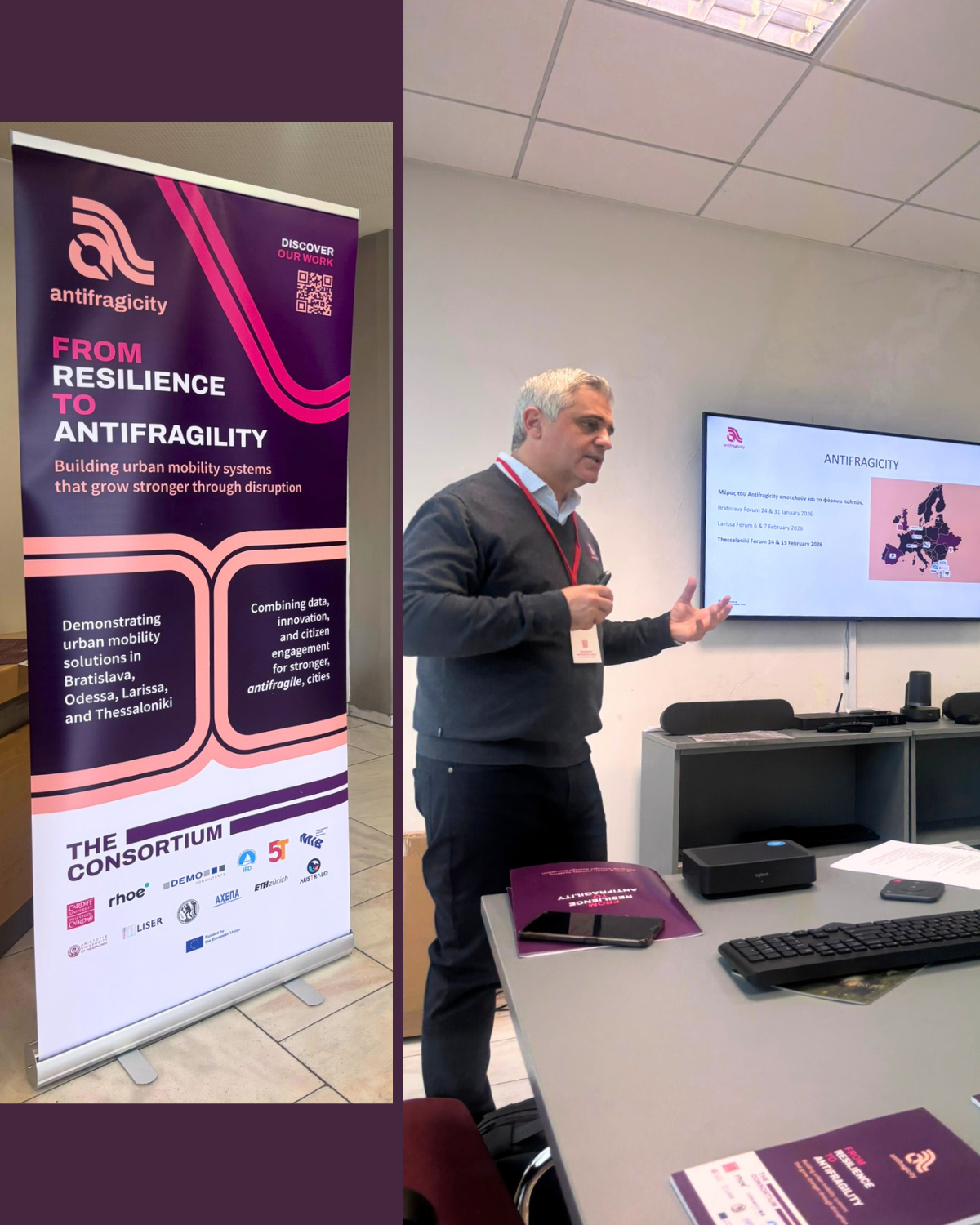
Participant insights will inform the development of the Simulator for Urban Mobility Antifragility (SUMA). This platform will monitor and analyse stressors in real time to recommend tailored responses through the Mobility Triage Analysis Handbook.
The forum’s reflections on social trust and a shared sense of “common consciousness” highlight an important insight: technical solutions, such as electric vehicles or new infrastructure, are most effective when they are supported by public understanding, trust, and a sense of collective responsibility. From the perspective of the AntifragiCity Citizens’ Forums, this reinforces the importance of structured, inclusive dialogue as a core component of urban transition processes. It is through such participatory spaces that not only potential solutions are explored, but also the conditions for their legitimacy, acceptance, and long-term sustainability are collectively shaped.
The results will be further explored and tested in real-world settings, including specific demonstration sites such as AHEPA General Hospital in Thessaloniki, as well as in other pilot cities like Larissa, Bratislava, and Odessa. In parallel, the insights will be shared with the next generation of engineers at Aristotle University of Thessaloniki (AUTh) and disseminated more broadly within the Greek professional community through the Technical Chamber of Greece, helping to inform ongoing learning and dialogue around sustainable mobility.
About AntifragiCity’s Citizens’ Forums
The AntifragiCity Citizens’ Forums took place in three of the project’s demonstration cities: Bratislava, Larissa, and Thessaloniki. They form part of a broader effort to ground the project’s research in the perspectives and lived experiences of citizens.
Each forum brought together a diverse group of residents to engage in structured, informed deliberation on the issue of urban mobility. The process was deliberately designed to be open and ideologically neutral, with no predetermined outcomes. Within this framework, participants themselves shaped the discussion and developed the resulting reflections and recommendations through collective dialogue.
The forums were commissioned and funded by the AntifragiCity project and led by the Luxembourg Institute of Socio-Economic Research (LISER). In Thessaloniki, LISER was supported by the Aristotle University of Thessaloniki (AUTh).
For more updates and stories on AntifragiCity, subscribe to our newsletter and follow us on LinkedIn, Bluesky, X, Facebook, and YouTube.