
How can cities prepare for disruption before it happens? How can they learn from it afterwards? These were the questions guiding the AntifragiCity Mini General Assembly, held on 18-19 May 2026 in Thessaloniki, Greece, and online.
Rather than organising a traditional project meeting, we spent two days working together in a charrette, an intensive, hands-on co-design workshop focused on one of our most important developments so far: the architecture of SUMA, the Simulator for Urban Mobility Antifragility, which will help cities monitor disruptions and stressors, simulate crisis scenarios, support informed decision-making, and strengthen urban mobility systems over time.
The SUMA platform: Simulator for Urban Mobility Antifragility
Each of our demonstration cities experiences disruption differently. Some face floods or infrastructure failures. Others must prepare for delays in emergency response or, as in Odesa, the realities of active conflict. While these challenges vary, they all require mobility systems that can adapt quickly and continue supporting people’s everyday lives.
That is why we are developing SUMA as a flexible decision-support platform that can work across different urban contexts, helping cities prepare for uncertainty, respond more effectively when disruptions occur, and continuously improve their mobility systems.
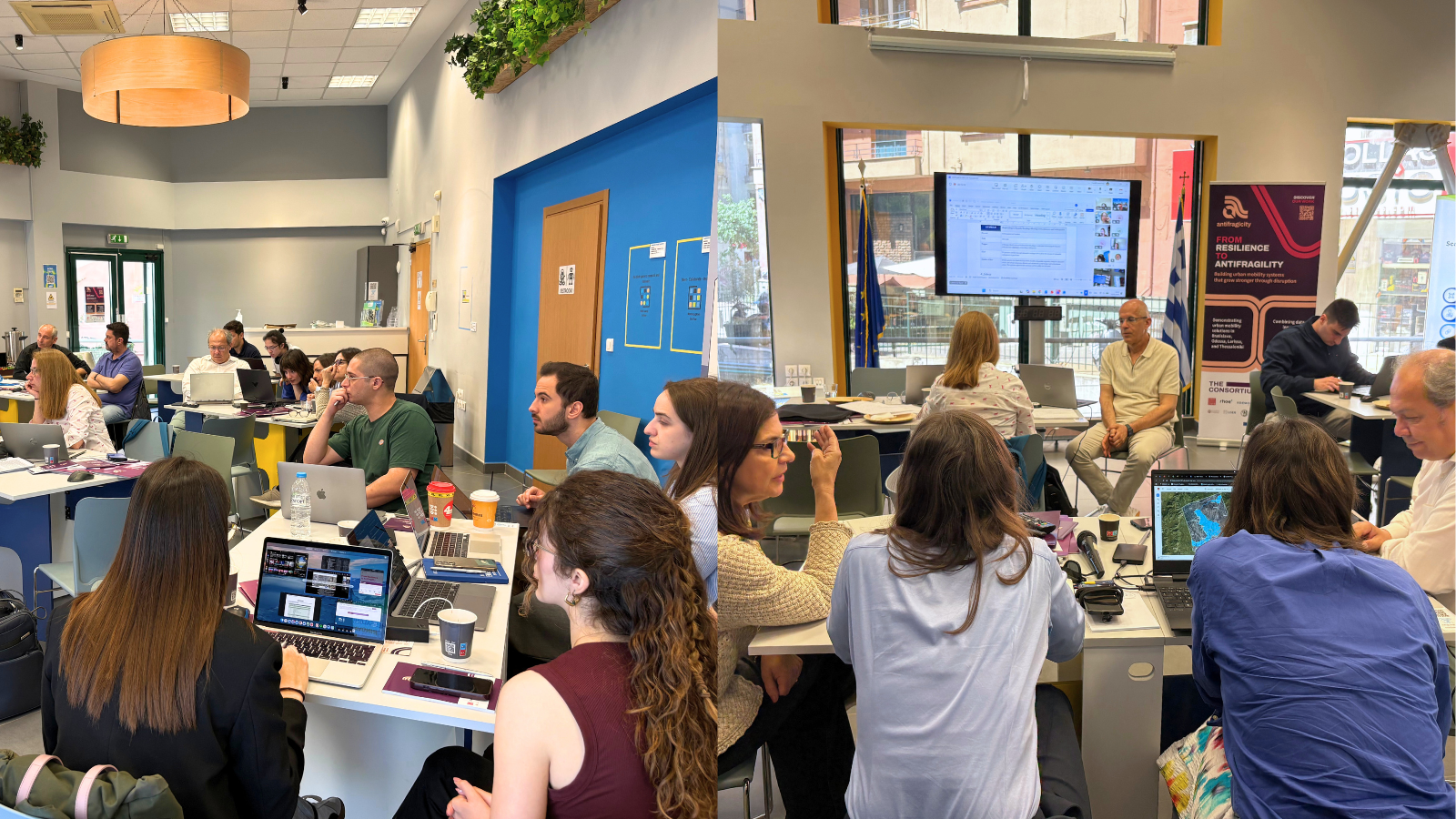
A collaborative design process
The charrette brought together our team as well as researchers and city representatives to translate the needs identified across our four pilot cities into an adaptable and scalable software architecture.
Building on our technical work and insights from our Citizens’ Forums, we explored how local priorities and real-world challenges could be incorporated into SUMA’s design. This collaborative approach helped us ensure that we are developing SUMA not only as a technical solution, but also as a tool shaped by the experiences of cities and the people who live in them.
Supporting cities across Europe
Once developed, SUMA will support our demonstration cities in Larissa, Thessaloniki, Bratislava, and Odesa by helping them better understand disruptions, evaluate response options, and strengthen urban mobility.
By combining technical modelling with local knowledge and citizens’ perspectives, we aim to help cities move beyond simply recovering from disruption towards becoming more adaptive and antifragile.
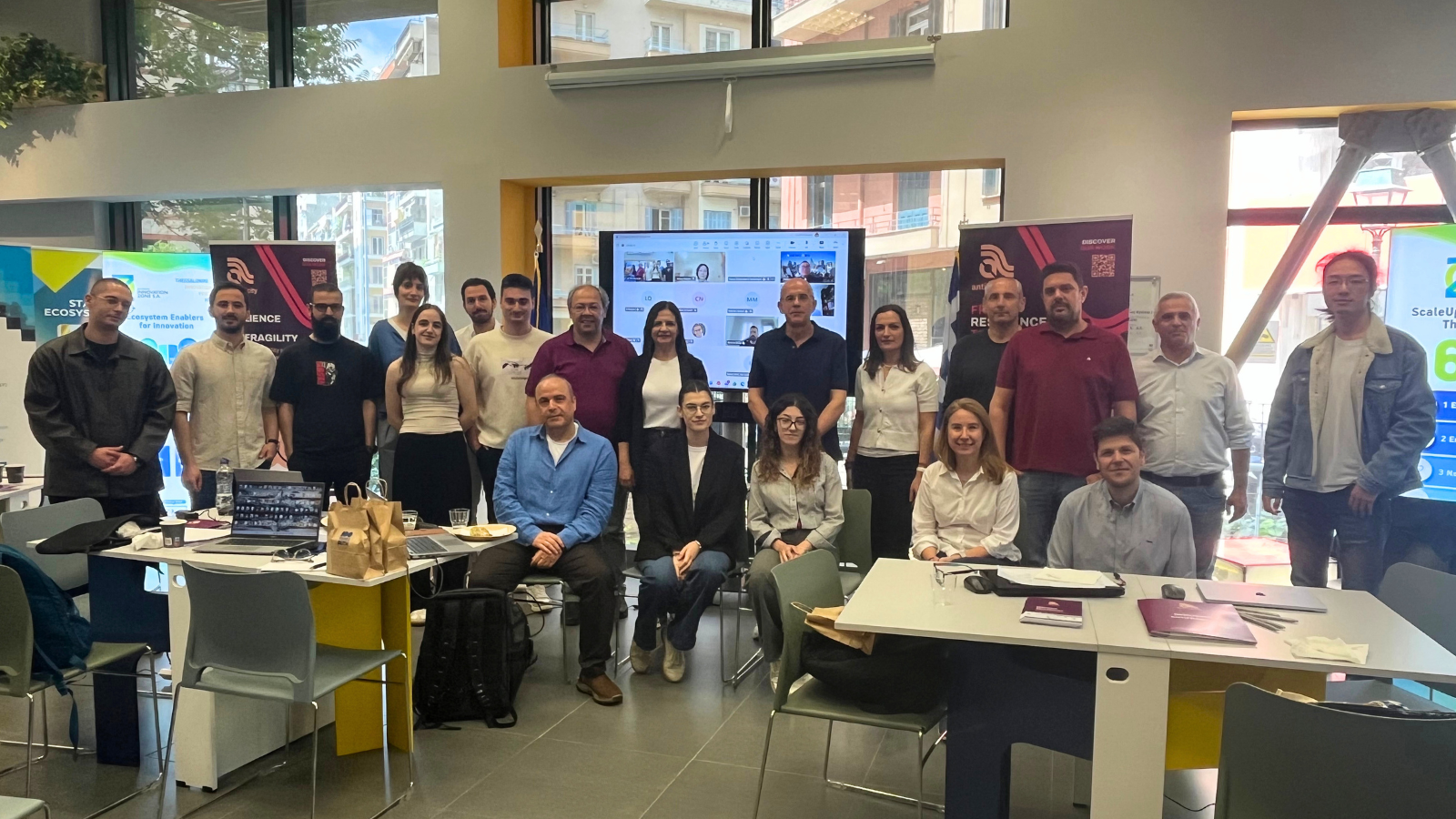
A special thank you to our partners at Aristotle University of Thessaloniki (AUTH) for hosting this meeting, and to all participants for two productive days of collaboration.
For more updates and stories on AntifragiCity, subscribe to our newsletter and follow us on LinkedIn, Bluesky, X, and YouTube.